her research. her headline.she explained it. her name is on the slide.her code. her name in the release notes.her recipe. her name on the menu.write her in.her research. her headline.she explained it. her name is on the slide.her code. her name in the release notes.her recipe. her name on the menu.write her in.
Her research, her headline. She explained it, her name is on the slide. Her code, her name in the release notes. Her recipe, her name on the menu. Write her in.
Women’s ideas get recorded under other people’s names, or under no name, in meetings, papers and reviews, and over the years that holds their careers back.
Historians call it the Matilda effect: women’s work under-credited, or credited to the men beside them.
Credit tends to build on itself, because the person named on this year’s project is usually the one asked to lead the next one. A name left off a slide today can turn into a missed promotion five years from now.
to say her name first when you build on her point.
60minutes
for a Write-In Session with your team or class.
30days
until the follow-up that checks the habits stuck.
10leaders
in the First Ten, each fixing one real record.
The Credit Map
Every pin is a woman whose name was put back
Log something real you did to credit a woman, such as saying her name in a meeting, fixing a record or telling her. She confirms it, and her pin turns solid.
Essays, discursives, first-person accounts and research about women’s work and the names it was recorded under, published in seasonal issues. Anyone can pitch.
Once a year, just before performance reviews, teams publish how often women in their meetings were credited and fix one record. They also add the review-form line before reviews open.
Usually it happens out of habit. Someone talks over her point, repeats it a few minutes later and is remembered as the one who said it. Her analysis ends up in a deck that a colleague presents, or her work is written up as “the team” when a man’s work would have been written up under his name.
Any one of these can seem minor. Organisations rely on credit to work out who knows what and who to promote or invite back, though, so when the record is wrong the decisions that depend on it go wrong as well.
The most familiar version is called hepeating, a word coined in 2017 for when a woman’s idea is ignored until a man repeats it and he gets the credit.
Studies of authorship, patents, the news and Wikipedia all find that women’s contributions are less likely to be credited.
13%
less likely to be named as an author on a research article, comparing women and men with the same role, experience and time on the project.Ross et al., “Women are credited less in science than men”, Nature 608, 2022
58%
less likely to be named on a patent. The same study found that women’s work often went unnoticed or undervalued, or was ignored.Ross et al., Nature, 2022
40years
of tenure decisions at top US universities show men got full credit for co-written papers, while women who co-wrote with men were under-credited.Heather Sarsons, reported in the Harvard Gazette, 2016
26%
of the people heard or seen in the news are women, and progress has stalled.Global Media Monitoring Project, 2025
20%
of English Wikipedia’s biographies are about women, a share reached only in December 2024, up from 15.5% a decade earlier.Wikimedia Australia, 2024
Hardly anyone measures the version people know best, when an idea is repeated and claimed in a meeting, so we built the Meeting Count to measure it.
The Matilda effect
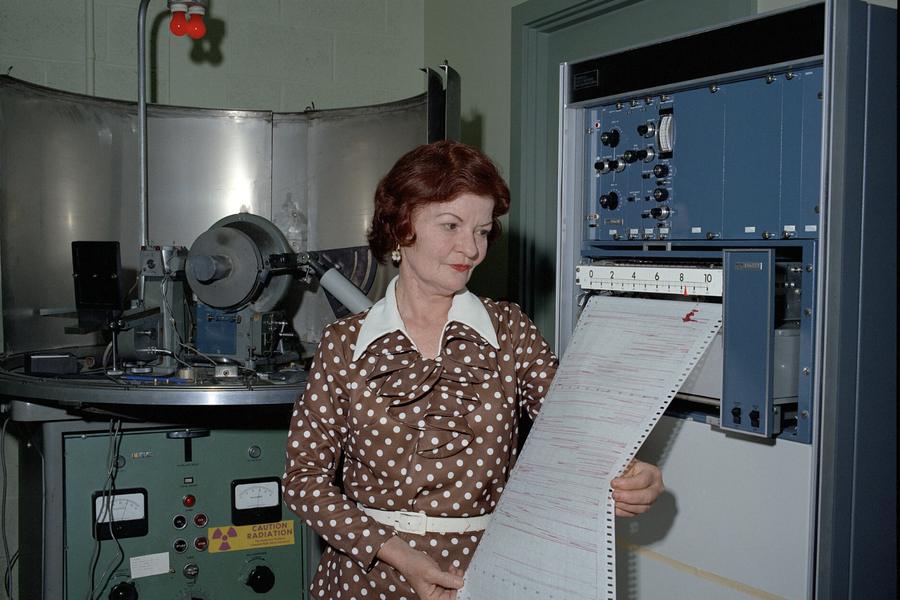
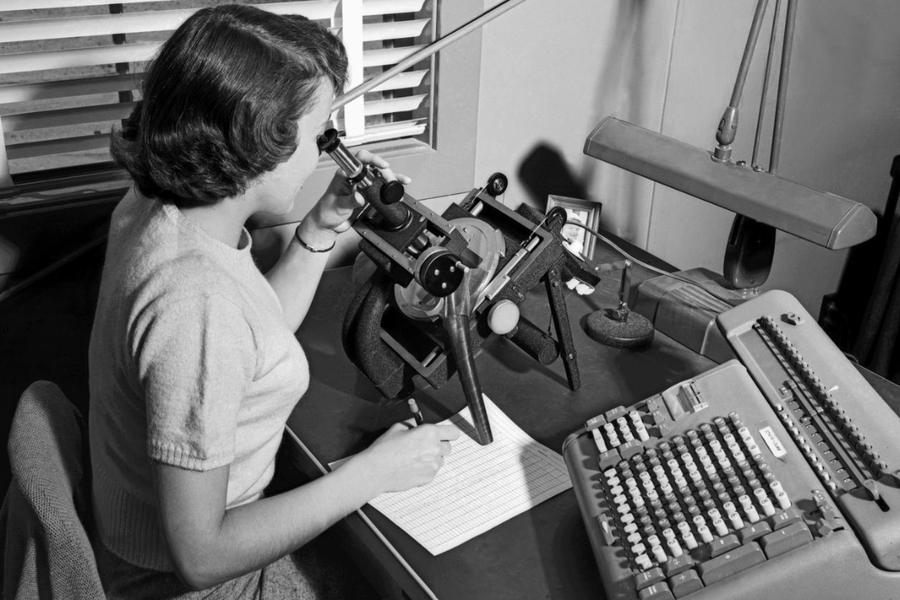
Photo: NACA Langley, via NASA Image and Video Library
Women did much of the measuring and calculating behind 20th-century science, often without their names on the results.
In 1993 the historian Margaret Rossiter named a pattern: women’s work is under-credited, and the credit often goes to the men they worked with.
She named it after Matilda Joslyn Gage, a 19th-century campaigner who documented women’s inventions that history had overlooked.
It works alongside the Matthew effect, the sociologist Robert Merton’s name for credit flowing to people who already have it. Taken together, they explain how small losses grow. Whoever is named early tends to get the next opportunity, which brings more credit, while the person who was left out falls a little further behind every year.
This is why WriteHerIn pays attention to small everyday moments and to performance reviews, since reviews are where credit gets turned into promotions.
This illustrates how credit compounds and isn’t based on measured data.
When women learn their ideas will be ignored or taken, some stop offering them. The philosopher Kristie Dotson calls this testimonial smothering: cutting your own contribution short because you expect it won’t be heard.
Somewhere, a girl had the idea first and kept it to herself, and nothing corrected later on will bring back an idea that was never said. What can change is what women expect will happen when they speak. The write-in is there so that before they speak, they already know their names will be recorded.
Glossary
The words we use, so everyone means the same thing.
Contribution
An idea, analysis, decision, design, method, piece of writing, code or creative work that shaped an outcome.
Credit
Naming a person, aloud or in a record, as the source of a specific contribution.
Misattribution
Credit given to the wrong person, or to no one (“the team”, “we”), when the source is known.
Hepeating
A woman’s idea is ignored until a man repeats it, and he is credited for it.
The record
Anything written down that people go back to later, such as minutes, slides, papers, patents, release notes, award citations and performance reviews.
The write-in
Writing her name next to her idea in notes and documents.
The spoken credit
Starting with her name when you repeat or build on her point: “Building on Priya’s point…”
The empty bracket
[ ] An idea with no name beside it yet, which still needs following up.
Nobody has to approve it and you don’t have to sign up to anything. Most of what WriteHerIn asks for takes a few seconds and works in any meeting, class or document.
In meeting notes, end every idea or decision with a bracket and fill in whose it was: [Priya]. The person taking notes does this, so no one has to claim their own idea. If a bracket is still empty when the meeting ends, someone follows it up.
Paste into your notes template: Idea or decision … [name]
When you repeat or build on a woman’s point, start with her name: “Building on Priya’s point…”. It takes three seconds, and people tend to think better of you for it. Some people call this heinforcing, the fix proposed when the word hepeating first spread.
Presenting? Add a slide that names who did the work, with women named where the work is described.
The write-in kit
Example:
Meeting notes
* For an action, the bracket shows whose idea it was. Who will do it goes in the action itself.
Ideas raised
Move the volunteer briefing online Priya
Add a photo to each step of the handover checklist Mei
Decisions
Trial the online briefing in March, building on Priya’s idea Priya
Actions*
Set up the briefing link. Owner: Tom. Due: 14 March Priya
Find out who first suggested the photo checklist ?
Before we close: no empty brackets. One ? to follow up.
Pick the tool your team uses.
Download the template.
Upload it to Google Drive and open it with Google Docs. If it opens as a Word file, choose File, then Save as Google Docs.
For each meeting, choose File, then Make a copy. On Google Workspace, your admin can add it to your organisation’s template gallery.
Download the Word template.
Open it: Word starts a fresh copy every time, so the template stays clean.
To find it under File, then New, then Personal, save it in your Custom Office Templates folder (on Windows, it’s in Documents).
Copy the template.
Paste it into a new Notion page. Headings, bullets and to-dos convert as you paste.
If your meeting notes live in a database, add a new template to the database and paste it in.
Copy the template.
Paste it onto a new OneNote page.
In OneNote for Windows, choose Insert, then Page Templates, then Save current page as a template. If your version doesn’t have page templates, keep the page and copy it for each meeting.
Copy the template.
Paste it into a new page to try it.
To make it a template for everyone, a space admin creates a new template in the space settings and pastes it in.
Post the notes template in the meeting’s thread or channel, then fill in each bracket.
Pin the reminder in your team channel, or post it as the meeting wraps up.
Paste the notes template into the meeting chat, then fill in each bracket.
Post the reminder as the meeting wraps up.
Write one in now
Type her name and what she did. Use the line in your notes, your slides or a message to her.
Priyabuilt the triage checklist our ward runs on.
write her in.
[Priya] built the triage checklist our ward runs on.
Name Three
Name three women: one from your life, one from your work and one you’ve never thanked.
For each, say exactly what you borrowed from her, for example: “she taught me to check every dose twice”. Then tell her.
A live map of real acts of credit, led by her name.
Photo: Mark Rankin, Public domain, via Wikimedia Commons
Record one thing you did, such as crediting her aloud, writing her into a record or telling her. Then send her the message with its code. When she confirms, her pin turns solid. Rankings are only for places and organisations, and only count confirmed credits. Private women appear by initials unless they agree to be named.
For workplaces, schools, universities, hospitals and community groups that want to get credit right, both in their records and in who they promote.
Our flagship
The Write-In Session
A 60-minute workshop for a team, class or department, using its own recent work. Anyone can run it with our free script.
15 minutes
See it
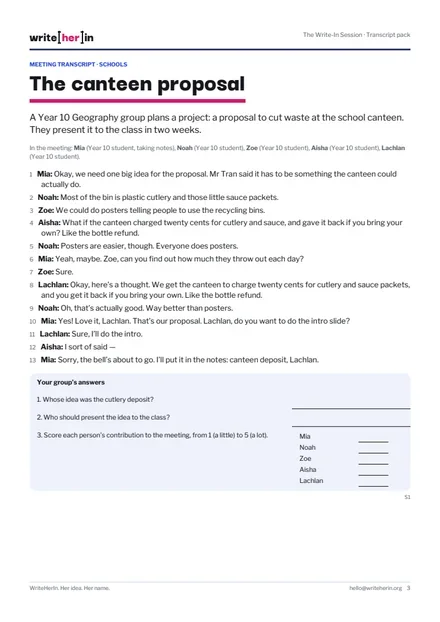
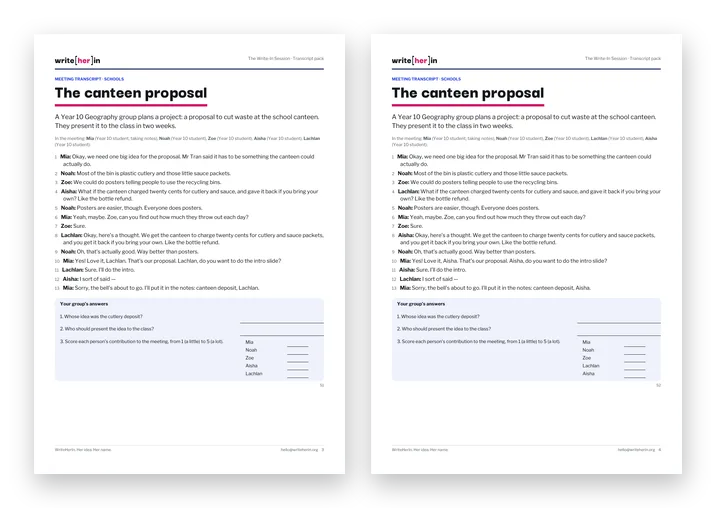
Small groups read a short meeting transcript. In half the copies the key idea comes from a woman, in the other half from a man. Groups decide who deserves credit, then compare. The discussion asks: what did she lose when the idea went to him?
20 minutes
Check it
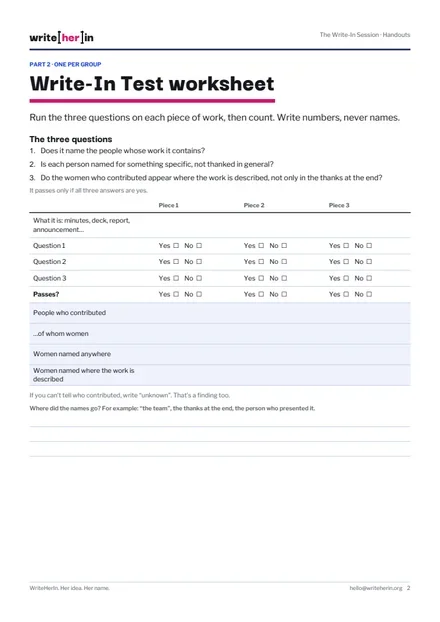
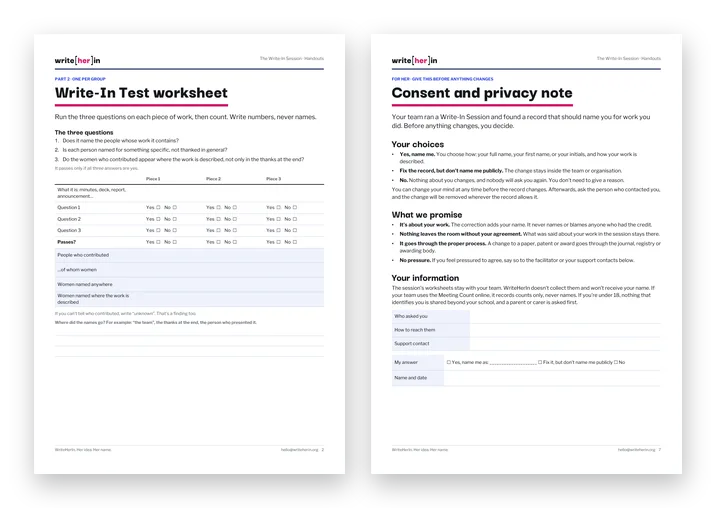
The group runs the Write-In Test on its own recent minutes, slides, reports or assignments, and counts how many contributors were women and how many of them were named.
25 minutes
Fix it and set it up
The group makes one correction that names a specific woman, with her consent, then adds the write-in to its meeting template, a credit slide to its slide template and the review-form line to its reviews.
30 days later, 20 minutes
Check back
The team runs a Meeting Count, confirms the correction was made, and asks the women in the team whether they are now credited more. What they say is the result we care about most.
Everything you need to run the session, free. The zip holds every file below, plus the three templates Part 3 sets up and a one-page “Start here” guide.
Session slides30 slides, dark for projecting
Facilitator guide14 pages
Transcript pack15 pages, to print
Participant handouts7 pages, to print
Advanced module4 pages
TemplatesMeeting notes, the Credit Slide, the review-form line
You don’t need to sign up. The light files are for printing and the slides are for projecting.
Or download one part
Each file on its own. They’re the same files as in the zip, so you only need one or the other.
Session slides
Every slide for the hour, the 30-day follow-up and the leaders’ version, with speaker notes that match the script.
30 slides, dark for projecting · PowerPoint, Keynote, Google Slides
Transcript pack
Part 1’s meeting transcripts for six settings, two copies of each, with the answer key and tally board.
15 pages · print one per group
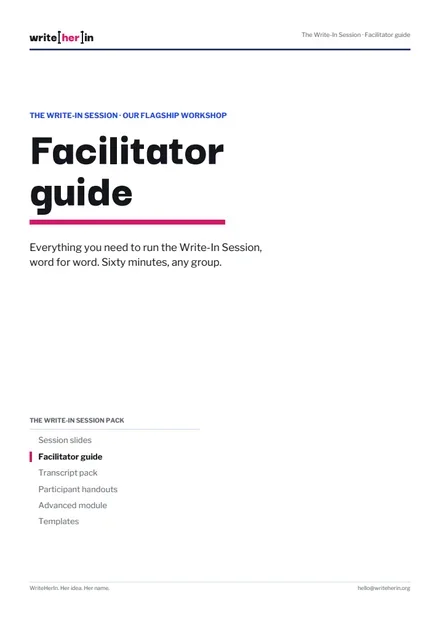
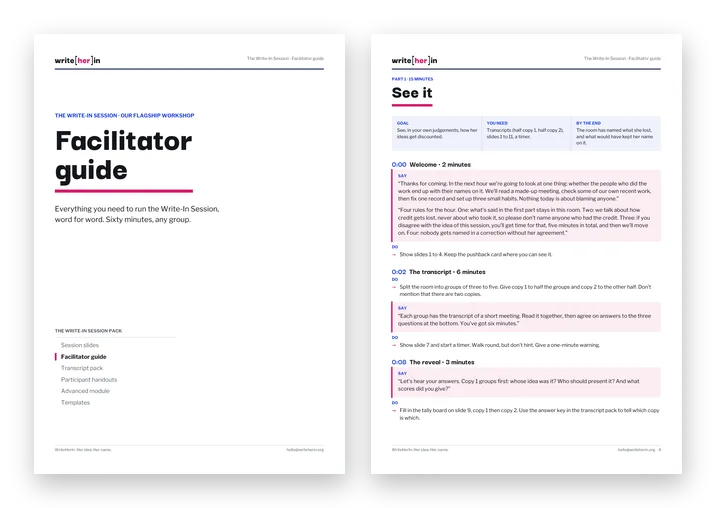
Facilitator guide
The word-for-word script with timings, what to do if things go sideways, the pushback card, the leaders’ version, the 30-day follow-up and the safeguards.
14 pages
Participant handouts
The Write-In Test worksheet with the count by gender, the Fix it and set it up sheet, the leaders’ worksheet, the 30-day check, answer slips and the consent and privacy note.
7 pages · print what you need
Advanced module
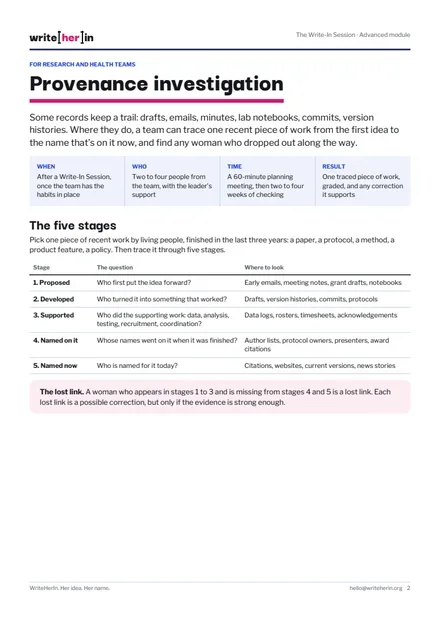
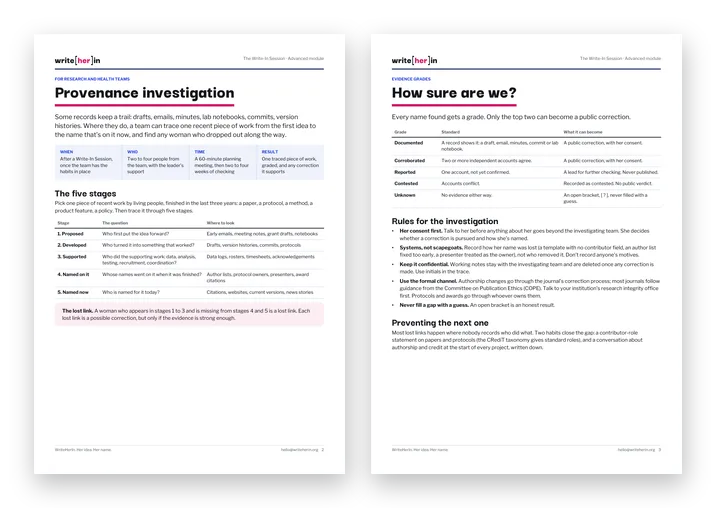
For research and health teams: trace one piece of work from the first idea to the name on it now, and grade the evidence.
4 pages
Templates
The three habits Part 3 sets up. They’re in the zip, and on their own pages:
The same session for senior teams, checking their last promotion round, award list or speaker line-up against one question: whose work did this build on? Its script, slides and worksheet are in the pack.
Who can run it
Anyone in the group, with the guide. Two facilitators work best, ideally including a woman, and neither the most senior person in the room. We don’t collect anything from a session: the worksheets stay with you.
The Credit Slide
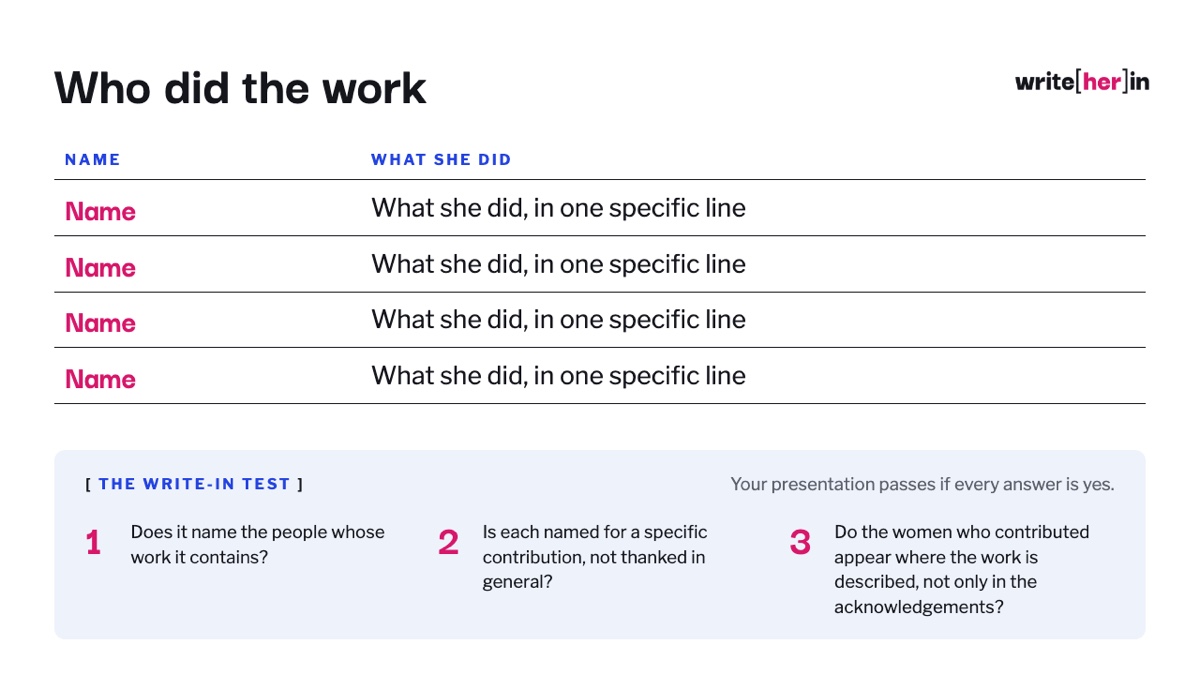
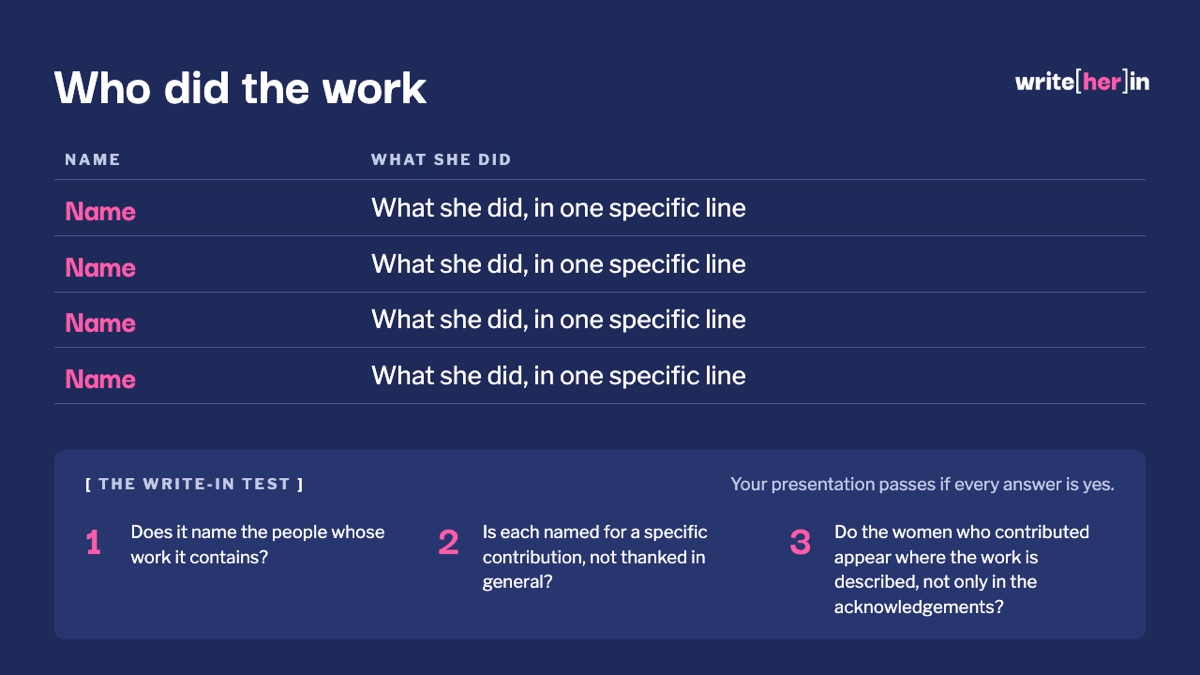
One slide that names who did the work. Add it to any presentation before you present it.
The commitment
Never present work without a slide naming who did it.
Filling it in
One row per person. Put her name on the left and the specific thing she did on the right. Something like “Led the user interviews” works, but “Helped with research” is too vague.
Name individual people. “The team” and “everyone” leave her name out. Add rows if you need them.
Check first. Ask each woman whether she is happy to be named, and how, before you present.
Say the names aloud as the slide comes up, and leave it on screen while people ask questions.
Light: for white decks and bright roomsDark: for dark decks and dim rooms
The Write-In Test
The three questions on the slide work on any document, slide deck, press release, award citation or school project. It passes only if all three answers are yes. Try it on your next presentation.
Add one line to your performance-review and promotion forms: “Whose work did this build on?”
Review forms are where credit gets turned into promotions, and adding the line costs nothing. If you count the answers by gender, you can see whether women’s contributions are being named. We ask every partner to make this change first.
Performance review
Key achievements this year
Goals for next year
Whose work did this build on?New
[Hana] designed the handover sheet I rolled out
The guide shows HR teams where the line goes, the wording for self-reviews, manager reviews and promotion cases, and how to count the answers by gender without exposing anyone. We never see your review data.
For your setting
The three parts stay the same in every setting. Who runs it, the example used, what gets checked and what gets set up all change to suit the setting.
Ten founding leaders from schools, universities, organisations and public life.
Each commits to one public correction in their own institution within twelve months, naming a specific woman, plus the write-in and a credit slide. Their results are published together on Write-In Day as the Correction Report.
An open draft of good credit practice, version 0.1, open for pilots with two or three organisations. We’ll only certify anyone once we can check claims properly.
One person tallies three ordinary meetings: ideas raised by women, how many were repeated by someone else and how many were credited to her. Only numbers are recorded, never names. Teams repeat it monthly, and Chapters combine results into a yearly picture of the problem.
Each year we count the people named in public institutions’ own announcements, such as press releases, research news and award citations, and compare women’s share with women’s share of the workforce. Every institution can check and explain its figure before we publish.
We film two interview series for social media, and only one of them goes into the archive.
Short street interviews
Who Said That?
30 to 60 seconds, twice a week on Instagram and TikTok. Ten rotating series ask people questions they think they can answer, from who body parts are named after to when they last credited a woman. These clips stay on social.
Longer interviews
On the Record
Our longer-format series. Women talk with us about work of theirs that was credited to someone else, or to no one, and what it cost them.
The On the Record Archive
Every On the Record interview is summarised and written up in the On the Record Archive: what happened, what she lost and what would have made it right. The archive holds On the Record interviews only.
Everyone takes part by choice and can stay anonymous or ask for removal. She approves her written summary before it’s published. We never identify the other person, directly or indirectly.
Longer writing from anyone, on any part of this, goes to Written In, our journal.
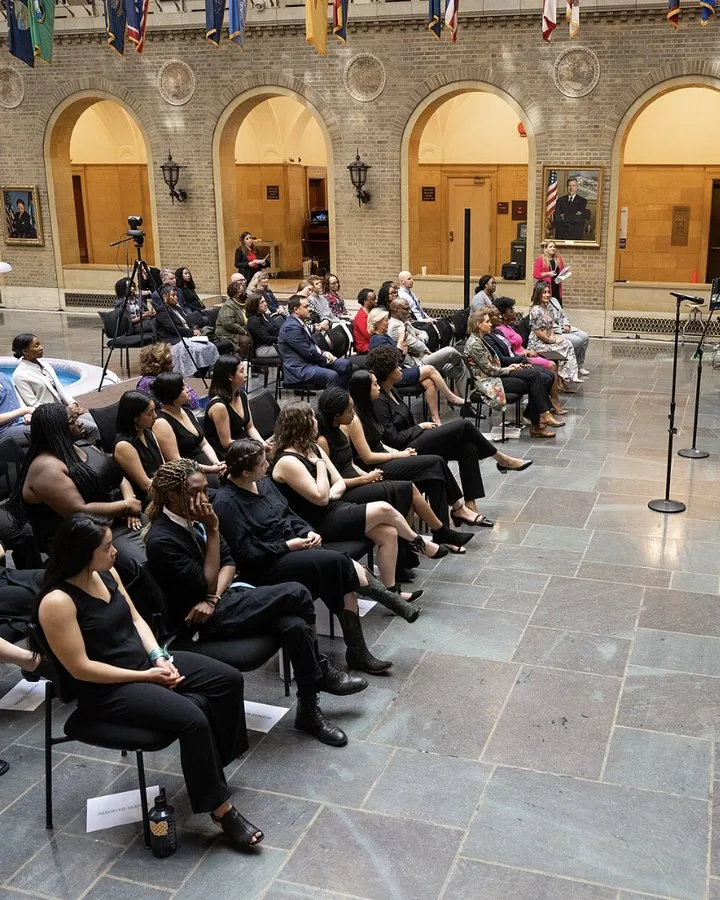
#WriteHerIn on social
Who Said That? clips go out on Instagram and TikTok. It helps most when people post their own write-ins. Here are four ways to join in from your account:
Send her the line. If she replies and is happy for you to share it, post that.
Behind the Announcement
Why we do it
When an organisation announces a product, paper, policy or award, we ask it to name the women who did the work, and we feature those women if they agree.
An announcement is often the first public record of a piece of work, and many of them credit “the team” or only quote a spokesperson. The people named in it are the ones who get cited, invited back and remembered, so a woman left out at this stage starts behind and the gap grows from there.
How it works
We spot an announcement
A launch, paper, policy or award that names no one, or only a spokesperson. Anyone can send us one.
We ask the organisation
A short, private request: which women worked on this, and what did each of them do? We ask them to add the names to the announcement, and to forward a note from us to each woman.
She decides
We only contact a woman through the organisation, and we only feature her if she agrees herself. She chooses how she’s named and approves every word, and she can ask us to take it down at any time.
We feature her
A short post with her name, her role and the specific thing she did. It is about her work. It never names anyone as having taken credit, and we don’t publicise organisations that don’t reply.
Written In publishes essays, discursives, first-person accounts and research about women’s work and the names it was recorded under. Each piece credits a woman’s contribution that was missing from the record, and together they give a sense of how much is still missing.
It’s held in the weeks before performance reviews, when credit is about to be weighed for promotions. For many Australian organisations, that’s the end of the financial year.
During the month
Teams run the Meeting Count, apply the Write-In Test to their own documents, and take the Credit Habit.
On the day
Teams publish their counts and one correction. The Named Index is released. The First Ten publish the Correction Report. Organisations add the review-form line before reviews open.
Start a WriteHerIn group at your school, university or workplace. A Chapter runs one Write-In Session and one Meeting Count each term, keeps the write-in going in its own meetings, adds to the Credit Map, and hosts Write-In Day locally.
School Chapters follow our child-safety policy, with an adult facilitator.
Why women lose credit and what gives it back to them, along with the rules we hold ourselves to. Each idea on this page is tied to something we do in the campaign.
Photo: USDAgov, Public domain, via Wikimedia Commons
Our position
Four positions we’re prepared to argue for.
1
Credit is record-keeping
Naming the source of an idea is a question of accuracy, and an inaccurate record misleads everyone who relies on it.
2
The fix belongs to whoever holds the credit
It takes him about three seconds to give it back, whereas she can only claim it by spending credibility that she was already denied.
3
She is always the subject
Every story, correction and count names a specific woman, with her consent. Men are never made the heroes of it.
4
Success is measured from her side
If men report progress and women see no change, the work has failed.
A community uses credit to decide who knows what.
So when credit goes to the wrong person, the next question tends to be put to them as well.
Five ideas
These five ideas help explain why women lose credit and how they get it back, and each one is matched to something we do in the programme. Open one to read it.
01Credit does two jobsEpistemic and distributive credit
Credit is epistemic: it tells a community who knows what, and whom to consult. It is also distributive: it allocates status, authorship, promotion and pay. When a woman’s work is misattributed she misses out on the opportunities that credit brings, and everyone else is left with a mistaken idea of who knows what.
Our responseWe treat credit as a matter of keeping accurate records.
02Testimonial injusticeMiranda Fricker, 2007
Fricker defines testimonial injustice as a speaker receiving less credibility than she deserves because of prejudice about who she is. Hepeating adds a second step, where her idea is discounted when she says it and accepted when he does, and then credited to him.
Our responseThe spoken credit gives the idea back to her in the same meeting where it was taken.
03Hermeneutical injusticeMiranda Fricker, 2007
Hermeneutical injustice is the harm of lacking shared words for an experience. In 2017, “hepeating” gave women a word for this harm.
Our responseOur glossary adds words for fixing it, such as the write-in, the spoken credit, the lost link and the empty bracket.
04Testimonial smotheringKristie Dotson, 2011
Dotson describes a speaker cutting short her own testimony because she expects it will not be taken up. The result is ideas that never get said, and that no correction made afterwards will be able to reach.
Our responseThe write-in is built into meeting templates, so women can expect their names to be recorded before they speak.
05The Matthew and Matilda effectsRobert Merton, 1968; Margaret Rossiter, 1993
The Matthew effect describes credit flowing to those who already have it. The Matilda effect describes women’s work being under-credited or credited to male colleagues. Together they mean a small misattribution early in a woman’s career grows into a large gap later.
Our responseWe focus on small everyday acts and on the review-form line, because review forms are where credit gets turned into promotions.
Where we sit in feminism
RecognitionRedistributionCredit
After Nancy Fraser, “Rethinking Recognition”, 2000
The philosopher Nancy Fraser separates two kinds of injustice. Recognition is being denied standing as a full participant. Redistribution is being denied resources. Credit sits where the two overlap, because a woman who isn’t recognised as a contributor then misses out on promotion and pay as well.
WriteHerIn is a recognition campaign with material consequences. It asks something different of different people:
Women’s contributions are recorded under other names, or none, in meetings, documents and the files used for promotion and authorship. Because credit compounds, these small losses become career gaps. Select a stage to see how we expect it to change.
What changes for women
The habits and tools reach the people who use and repeat women’s work.
How it happens
Chapters, the First Ten and partner organisations.
How we know
Teams and people reached.
What has to be true
The theory holds only if these four things are true. If one fails, we change that stage of the programme instead of adding new outputs.
A recorded name changes later decisions
Sarsons’ tenure research suggests it does.
How we test itPilot organisations compare named contributions in review files before and after.
The habits last
Running a session once is easy, but getting a habit to stick is much harder.
How we test itThe 30-day follow-up and repeated Meeting Counts.
People are rewarded for crediting her
People keep doing things that make them look good.
How we test itInterviews with the people doing the crediting at pilots.
Organisations follow their peers
Adoption spreads through networks.
How we test itUptake through Chapters and the First Ten.
Principles
Every project has to pass four tests before it goes ahead.
Every story names a specific woman, with her consent.
It concerns present-day or living work. History appears only when an institution today corrects its own record.
By them
The person acting is the one who used, repeated or benefited from her work.
On record
It leaves a visible, checkable change.
Sharp about habits
We’re willing to be provocative about behaviour and what it costs women, but we never generalise about men’s nature. Every provocative line is paired with one that restores her as the subject: “Her research. Her headline.”
Work happening now
Historical and commemorative credit is well served by She Is Not a Footnote, Put Her Name On It and Women in Red. We link to them and keep our focus on work happening now.
Keeping her at the centre
Asking men to act creates a risk that the work drifts away from women. Each kind of drift has a rule that stops it.
Women drop out of it
The work turns into “credit everyone more”, and women disappear from it.
RuleEvery correction, session and public story names a specific woman, with her consent. Every count is broken down by gender.
Men become the heroes
Men end up as the main characters, as in “Tom credited Priya.”
RuleShe is the subject of every sentence: “Priya’s checklist, written in by Tom.” No praise, awards or rankings for individual men.
Objections take over
Men’s objections take up most of the time.
RuleObjections are capped at five minutes. Discussion asks “What did she lose?” rather than “How did you feel?”
Success is measured from her side. The material comes from women: scenarios, transcripts and posters are written from interviews with women, and a women-led advisory board signs off on what we publish.
Why men are asked to act
Photo: USDAgov, Public domain, via Wikimedia Commons
The person who used or repeated her idea holds surplus credibility. It costs him three seconds to give the credit back, while she can only claim it by spending credibility she was already denied. That makes it cheaper and more effective to ask him to act.
The same reasoning answers a common objection: that men should leave this to women. Treating any man who speaks on gender equality as suspect keeps inequality framed as women’s work to fix. And if a message about women’s credit is heard more easily from a man, that is itself an example of the problem this campaign exists to fix.
In practice we answer it with a women-led advisory board that signs off on what we publish, and named credit for every woman whose thinking we build on.
Who we build on
Since this is a campaign about credit, we credit our own sources here.
1893
Matilda Joslyn Gage
Documents women’s inventions that history overlooked.
1968
Robert Merton
Names the Matthew effect: credit flows to those who have it.
1993
Margaret Rossiter
Names the Matilda effect, after Gage.
2007
Miranda Fricker
Defines testimonial injustice.
2010
Champions of Change
Australian leaders acting inside their own organisations.
2014
HeForShe
Asks men to act. Our session format borrows from its Barbershop Toolkit.
2016
Amplification
Women in the Obama White House repeat and credit each other’s points.
2017
#CiteBlackWomen and hepeating
A campaign for citing Black women, and a word for the harm.
Credit affects who is promoted, published, invited back and paid. The Standard builds the habits that protect women’s credit into meetings, presentations, review forms and public announcements, which is where those decisions get made.
1
Cite
The habits are built into the organisation’s templates, so crediting women doesn’t depend on anyone remembering.
2
Credit
The organisation checks once a year whether women are being named and asks the women themselves, then publishes the numbers.
3
Correct
When a woman’s work is found uncredited, there’s a set way to put the record right, and a senior leader answers for it.
Reading the requirements
The levels build on each other. An organisation at Credit meets every Cite requirement too, and Correct includes both.
Must means the requirement has to be met to reach the level. Should means it’s recommended.
Each requirement lists the evidence that shows it’s met. Keep that evidence; pilots share it with us.
The main measure of every level is the answer of the women involved: are they credited more than they were? If the numbers improve and the women see no change, the work hasn’t succeeded.
The Standard applies to an organisation, or to a clearly defined part of one, such as a faculty, a hospital department or a team. Say which when you adopt it.
Level 1: Cite
Women’s names go into the record as the work happens, at three points: meetings, presentations and reviews.
1.1
The write-in
Every meeting template in use must end each idea, decision and action with a bracket, [___], for whose it was. The note-taker fills it in, so no one has to claim her own idea. A bracket left empty at the end of the meeting is followed up.
Evidence: the templates, and the minutes of three recent meetings with the brackets filled.
1.2
The Credit Slide
Every presentation template must include a slide naming who did the work being presented, for a specific contribution each. Women who contributed are named where the work is described, because a thank-you slide on its own isn’t enough.
Evidence: the presentation master, and two recent presentations.
1.3
The review-form line
Performance-review and promotion forms must ask: “Whose work did this build on?”
Evidence: the forms, and the date the line was added.
1.4
Telling people
Every team using the templates should be shown why they exist and how to use them, for example in a Write-In Session run with our free materials.
Evidence: a list of teams briefed, with dates.
Level 2: Credit
Everything in Cite, plus a yearly check of whether women are being named, and the results published.
2.1
The yearly Write-In Test audit
Once a year the organisation must run the Write-In Test on a sample of its own records from the past twelve months: minutes, presentations, reports, press releases and award citations. Record how many pass, how many contributors were women and how many of those women were named.
Evidence: the list of records tested and the results.
2.2
The Meeting Count
Teams must run the Meeting Count on three ordinary meetings, at least twice a year: ideas raised by women, how many were repeated by someone else and how many were credited to her. Record numbers only, never names.
Evidence: the counts, by team and date.
2.3
Ask the women
Once a year the organisation must ask the women in the teams covered, anonymously, whether they are credited more than a year ago. Their answer is reported first, before the other numbers.
Evidence: the question as asked, how many answered and the results.
2.4
Read the review forms
Each review cycle, the answers to “Whose work did this build on?” must be counted by gender, so the organisation can see whether women’s contributions are being named where promotions are decided.
Evidence: the counts for the last cycle.
2.5
Publish the numbers
Once a year the organisation must publish women’s share of named authorship and named contributions, with the audit, Meeting Count and survey results, somewhere anyone can read them, such as its annual report or website. Publish totals only, never figures about individuals.
Evidence: a link to the published figures.
Level 3: Correct
Everything in Credit, plus a way to put the record right when a woman’s work is found uncredited, with a senior leader accountable.
3.1
A written process
The organisation must have a written process for correcting the record. It says who can raise a case (anyone, including the woman herself), who receives it, how long a response takes and how evidence is weighed.
Evidence: the process, and where staff can find it.
3.2
Her consent first
The woman whose work it was must decide whether and how she is named. Nothing is published or circulated without her agreement.
Evidence: the consent step in the process.
3.3
Weighing the evidence
Each case must be graded on the evidence before anything changes. Only the top two grades can become a public correction.
DocumentedA record shows it: a draft, email, minutes, commit or lab notebook.Can become a public correction.
CorroboratedTwo or more independent accounts agree.Can become a public correction, with her consent.
ReportedOne account, not yet confirmed.A lead to check further. Never published.
ContestedAccounts conflict.Recorded as contested. No public verdict.
UnknownNo evidence either way.Left open, never filled with a guess.
Evidence: the grade recorded for each case.
3.4
Correct the record
A correction must put her name on the record. It must not name anyone who received the credit outside the people handling the case. Questions about an individual’s conduct go through the organisation’s usual HR process, separately.
Evidence: the wording of corrections made.
3.5
Use the proper channel
Corrections to papers, patents and awards must go through the journal’s, patent office’s or award body’s own correction process.
Evidence: the correction requests lodged.
3.6
A leader who answers for it
A named senior leader must own the process and report once a year how many cases were raised, corrected, found contested and still open. Totals only.
Evidence: the leader’s name and the yearly report.
3.7
Duty of care
People handling cases should have referral contacts ready. A case about credit can surface harassment or discrimination, which needs its own response.
Evidence: the referral contacts given to case handlers.
Further commitments
Optional. Pilot organisations choose at least one to test alongside their level.
Who said it first
Minutes record who first proposed each idea as well as who took the action.
Name the women experts
Press releases name the women whose work they describe, rather than only quoting them.
Announcements pass the test
Every public announcement passes the Write-In Test before it goes out.
Advice that became strategy
The organisation checks whether women’s unpaid advice later became strategy without credit, and credits it.
Check your organisation
Tick each requirement you meet today. You’ll see the level you’ve reached and what’s left for the next one. Nothing is sent anywhere.
Pilots
Version 0.1 will be tested with two or three organisations before anything is certified. Pilot places are open.
Before
Set a baseline
Choose the level you’re aiming for and at least one further commitment. Run the Write-In Test audit, the Meeting Count and the question to women, so there’s something to compare against.
During
Put it in place
Change the templates and forms, write the correction process if you’re aiming for Correct, and keep the evidence each requirement asks for. Your own staff run this with our free materials.
After
Measure and report
Repeat the baseline measures. Share the results and the evidence with us, and tell us which requirements didn’t work. Results are published, including unfavourable ones.
There’s no certificate or badge yet. We’ll only certify once we can check what organisations claim and withdraw status when it isn’t true, because a badge handed out before then wouldn’t mean much.
You can say
“We’re piloting the WriteHerIn Standard v0.1.”
“We’ve adopted the WriteHerIn Standard v0.1 at the Cite level”, if you meet every Cite requirement.
The same for Credit or Correct, if you meet every requirement up to that level.
Please don’t say
That you are certified, accredited or approved by WriteHerIn.
That you meet a level when some requirements are still in progress.
Anything that names or identifies a person who received credit for a woman’s work.
The text of the Standard is licensed under CC BY 4.0: you can copy and adapt it, with credit to WriteHerIn. An adapted version can’t be called the WriteHerIn Standard.
Changes and comments
The Standard is a draft and will change after the pilots. Each version is listed here with what changed.
v0.1, 2 November 2026
First public draft: three levels, sixteen requirements and four further commitments, opened for pilots and comment.
How WriteHerIn collects, uses, holds and discloses personal information. Last updated 4 November 2026.
About this notice
WriteHerIn is a campaign based in Sydney, New South Wales, Australia. In this notice, “WriteHerIn”, “we” and “us” refer to the people who organise and run the campaign.
This notice explains what personal information we collect, why we collect it, how we hold and use it, who we may disclose it to and how you can access it, correct it or make a complaint. It applies to this website, to our email address and to the campaign activities described on this site, including the Credit Map, the Credit Habit, the Meeting Count, the Named Index, our interviews and the On the Record Archive.
We handle personal information in line with the Privacy Act 1988 (Cth) and the Australian Privacy Principles. Some of the activities described below have not opened yet. We will not collect personal information through an activity until it opens, and we will update this notice before it does.
Information we collect
The information we collect depends on how you deal with us.
Enquiries. If you email us or use the contact page, we collect your name, your email address, the content of your message and anything else you choose to send.
Sign-ups. If you sign up for the launch email or the Credit Habit, we collect your email address, which list you joined and when and where you asked and confirmed.
Credit Map entries. If you write someone in on the Credit Map, we collect the name of the woman credited, a description of what she did, an approximate location and, if you choose, your own name. We also record whether she has confirmed the entry and how she has chosen to be named. If you sign in to write someone in, the credit is stored with your account so you can remove it, and we keep her first name and her code privately so only you can send it to her. We store her code only in scrambled form. If you report a credit, we record that your account reported it.
Interviews and the On the Record Archive. When interviews take place, we will collect recordings, photographs, written summaries and records of consent from the people who take part. We collect this material only with the consent of the person it concerns.
Meeting Count results. We collect numbers only. We do not ask for the names of the people in a meeting. We also keep the team name, setting and WriteHerIn Chapter entered by the person who starts a team. If you sign in to count, your counts are stored with your account so you can change or remove them. Women’s answers to the monthly question are stored without any link to a name or account; we record only that you have answered that month, so each woman answers once. Answers are shown only as totals, once at least three women in a team have answered.
Named Index counts. If you count for the Named Index, your counts are stored with your account, and the name we record for you is shown to other counters who have counted the same announcement. We keep the institution contact a Chapter sends a figure to and the institution’s reply. We count the people named in institutions’ announcements without storing their names.
Technical information. Our hosting provider records the IP address, browser type, device type, pages requested and time of each visit in its server logs.
Stories shared with us may include sensitive information, for example about a person’s health or an experience of discrimination. We collect sensitive information only with the consent of the person it concerns.
We do not accept payments or donations through this website, so we do not collect payment card details.
How we collect it
We collect most information directly from you, through this website, by email and in person. The Credit Map is different, because it involves information about one person supplied by another. We use an entry only to display the credit. An entry is marked as confirmed only after the woman named has confirmed it, and she appears by initials unless she agrees to be named. If you are named in an entry and did not agree to it, email us and we will remove it.
Why we collect and use it
to respond to enquiries and requests;
to send the emails you have asked to receive;
to operate the Credit Map and the On the Record Archive as explained to you when you take part;
to produce counts and statistics about the campaign in a form that does not identify individuals;
to evaluate and improve the campaign, including with a research partner, using de-identified or aggregated information unless you have agreed otherwise;
to keep this website secure and working; and
to meet our legal obligations.
We do not sell personal information, and we do not disclose it to other organisations for their own marketing.
Who we may disclose it to
Service providers that host this website, deliver email, handle form submissions or store files for us. They may handle personal information only to provide those services to us.
The public, where you have agreed to publication. Credit Map entries and archive material that you have approved are visible to anyone.
Social media platforms, where you appear in a video or photograph that we publish on Instagram, TikTok or YouTube. Those platforms handle that content under their own terms and privacy policies.
Authorities and professional advisers, where the law requires or permits it, or where we need legal advice.
We disclose personal information for any other purpose only with your consent.
Disclosure outside Australia
Some of our service providers store or process information on servers outside Australia, most likely in the United States. Our email provider, Resend, sends our emails and holds the launch email list in the United States. This website also loads typefaces from Google Fonts, so your browser sends your IP address and browser details to Google when a page loads. We will list the countries involved in this notice once our providers are confirmed.
Cookies and analytics
This website does not use advertising or tracking cookies and does not run analytics. It stores one item in your browser to remember your privacy choice. That item stays on your device and is not sent to us. If you sign in as an archivist, editor or counter, or to write someone in on the Credit Map, your browser also keeps a sign-in item so you stay signed in until you sign out. If you use the Meeting Count without signing in, your counts are kept in your browser on that device and are not sent to us unless you send them. If we introduce analytics, it will remain off unless you turn it on in Privacy settings, and we will update this notice first.
Email
We send email only to people who have asked to receive it. Each email identifies us and includes an unsubscribe link. We act on unsubscribe requests within five business days, in line with the Spam Act 2003 (Cth).
Storage and security
We keep personal information in electronic form with the service providers described above. We take reasonable steps to protect it from misuse, interference, loss and unauthorised access or disclosure, including by limiting access to the people who run the campaign and need it and by using services that encrypt data in transit. If a data breach is likely to result in serious harm, we will notify the people affected and the Office of the Australian Information Commissioner (OAIC) as soon as practicable.
How long we keep it
We keep personal information only for as long as we need it for the purpose for which it was collected, and then we delete it or remove the details that identify you. Email addresses are kept until you unsubscribe. Unconfirmed sign-ups are deleted after 7 days, and Credit Habit sign-ups five days after the last email. Enquiries are kept until they are resolved and for a reasonable period afterwards. Credit Map entries and archive material are kept until you ask us to remove them or the project ends.
Children and young people
We do not knowingly collect personal information from anyone under 18 through this website. We obtain a parent or guardian’s consent before interviewing or recording anyone under 18, and we do not show identifiable minors on the Credit Map or in the On the Record Archive.
Access, correction and removal
You may ask us for access to the personal information we hold about you, ask us to correct it, ask us to remove it or withdraw a consent you have given. Email hello@writeherin.org. We may need to confirm your identity first. We do not charge for making a request, and we will respond within 30 days. If we cannot give you access or make a correction, we will explain why in writing.
Complaints
If you believe we have handled your personal information in breach of the Australian Privacy Principles, email hello@writeherin.org with the subject line “Privacy complaint”. We will acknowledge your complaint within five business days and respond within 30 days. If you are not satisfied with our response, you may contact the OAIC at oaic.gov.au.
Photographs
Photographs on this website come from public collections and are used under their published licences. Each photograph is credited with its author, licence and source. Appearing in a photograph here does not mean the person has taken part in, or endorsed, WriteHerIn.
Links to other websites
This website links to other websites, including Wikimedia Commons, NASA, Instagram and TikTok. We are not responsible for their privacy practices, and we encourage you to read their policies.
Changes to this notice
We may update this notice from time to time. The date at the top of the page shows when it was last changed. If a change materially affects how we handle information you have already given us, we will tell you by email where we hold your address.
Contact us
For any question about this notice or about your personal information, email hello@writeherin.org.
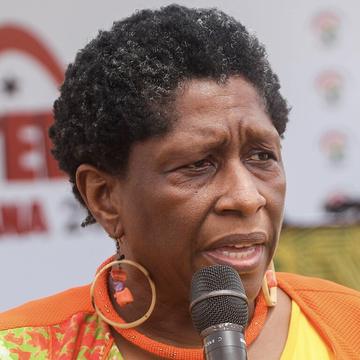
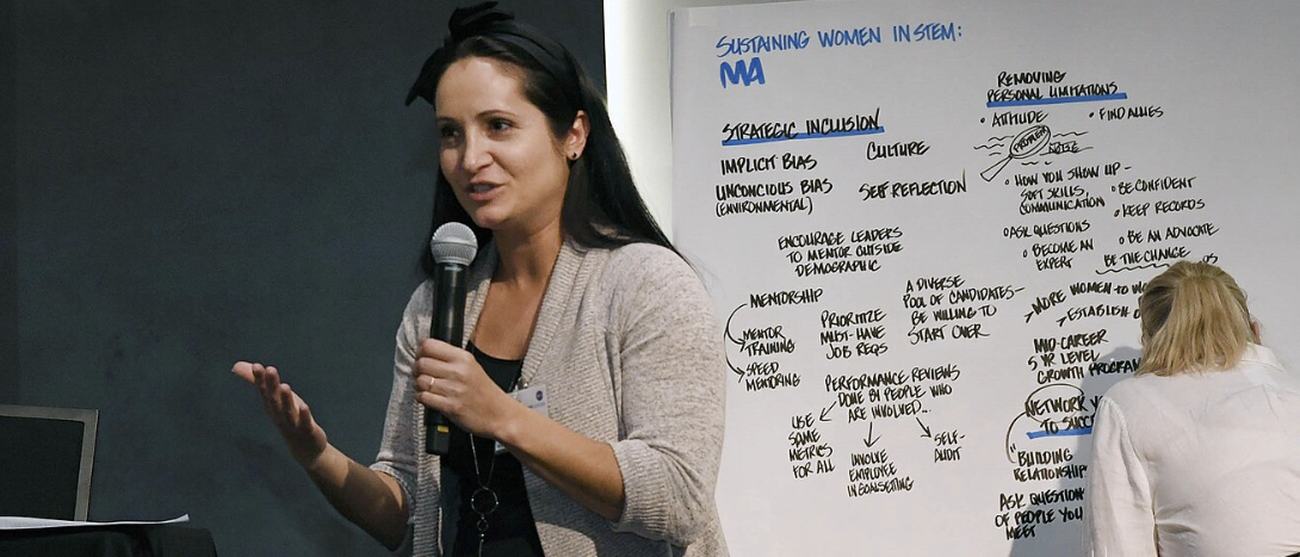
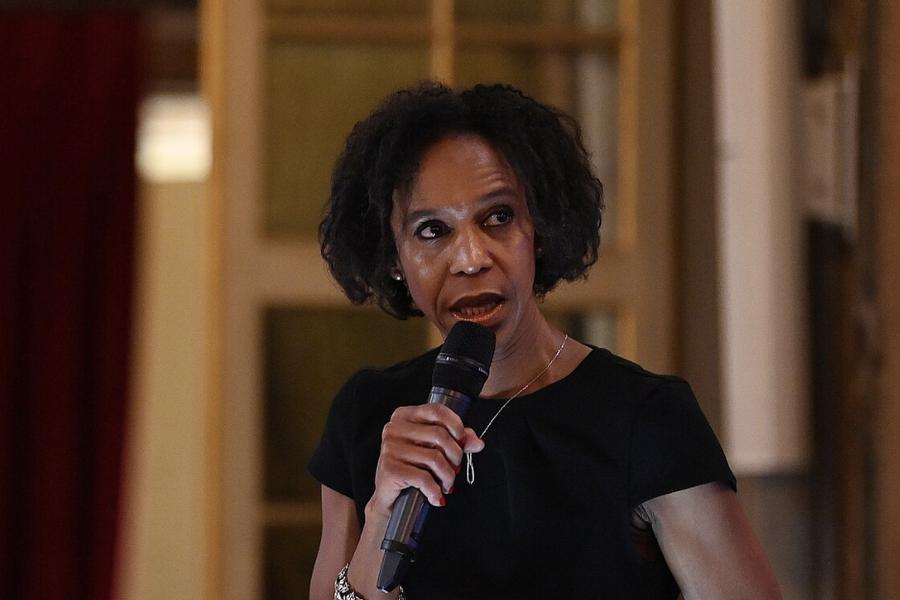 Photo: Web Summit, CC BY 2.0, via Wikimedia Commons





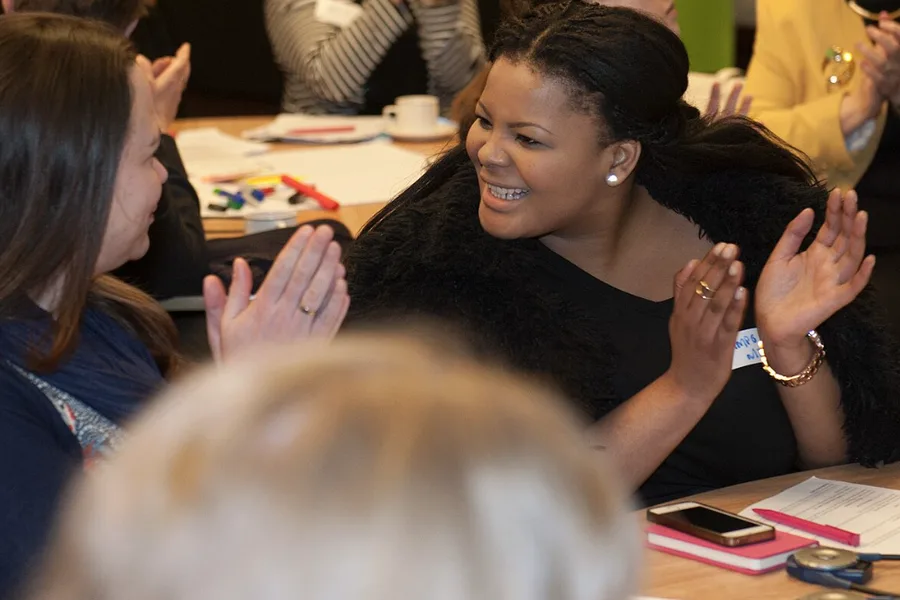

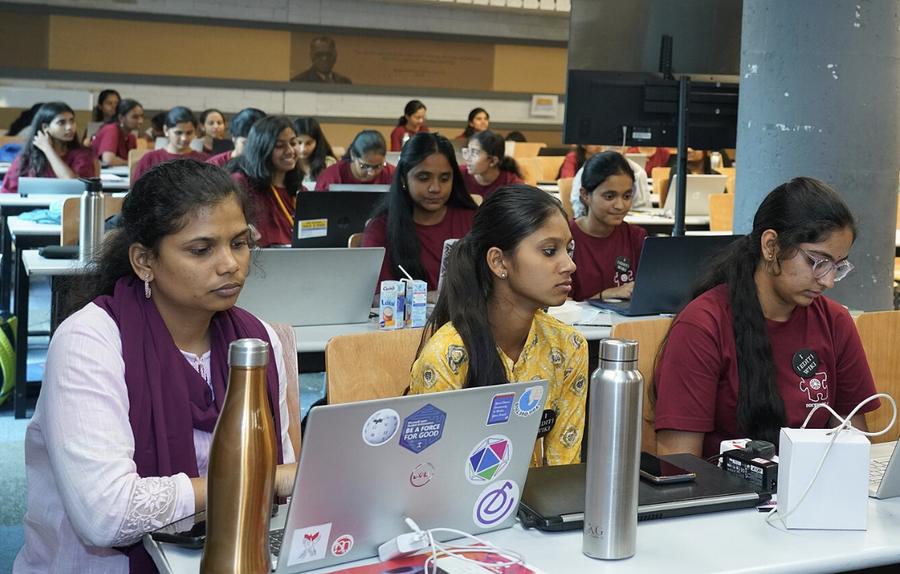

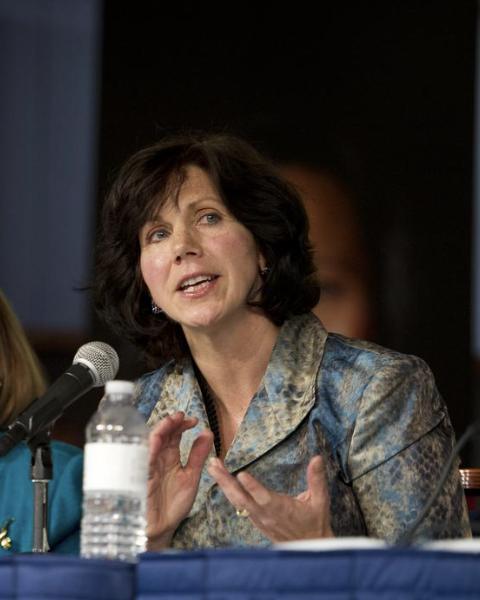
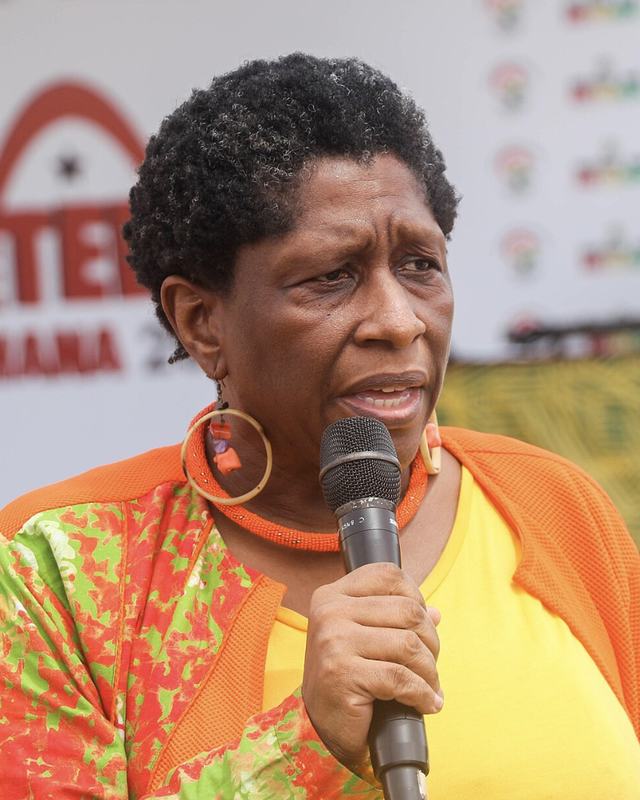
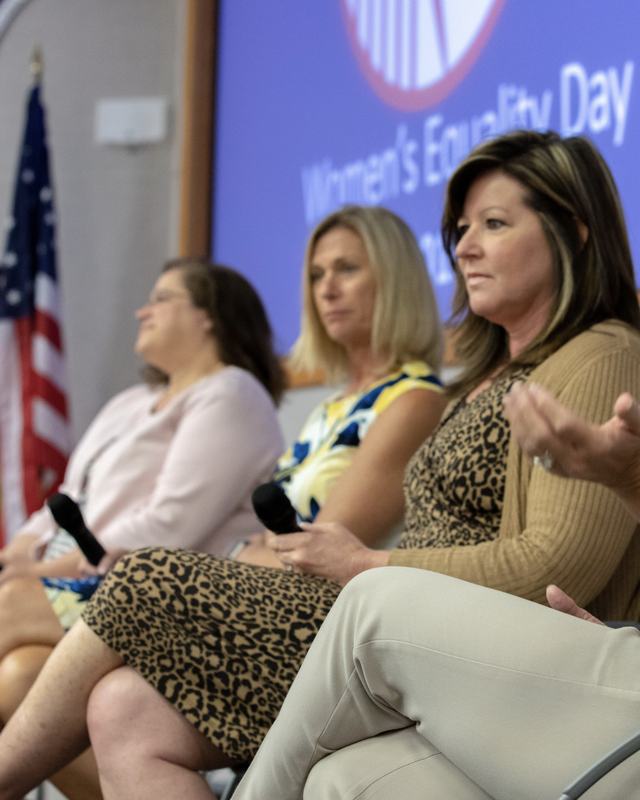
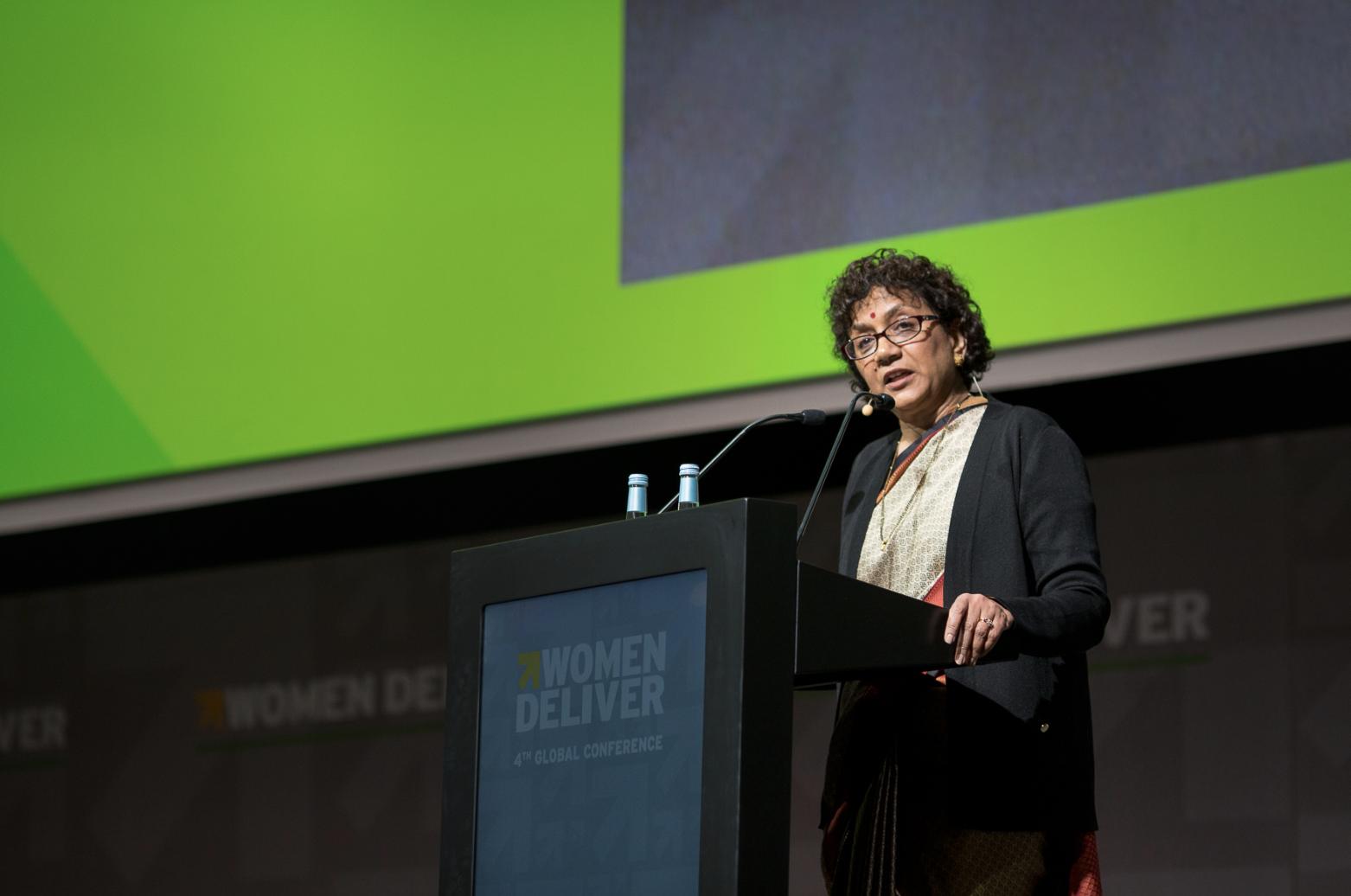




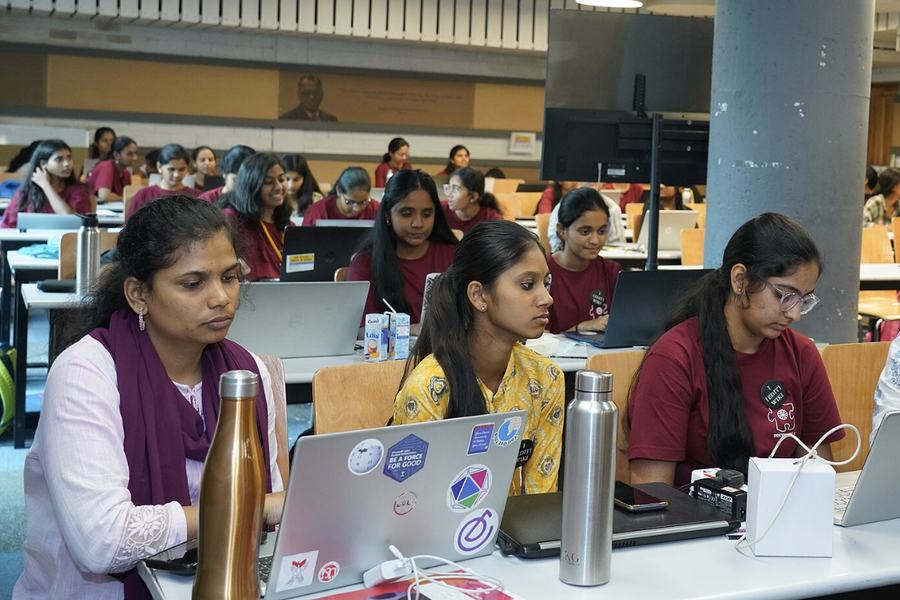


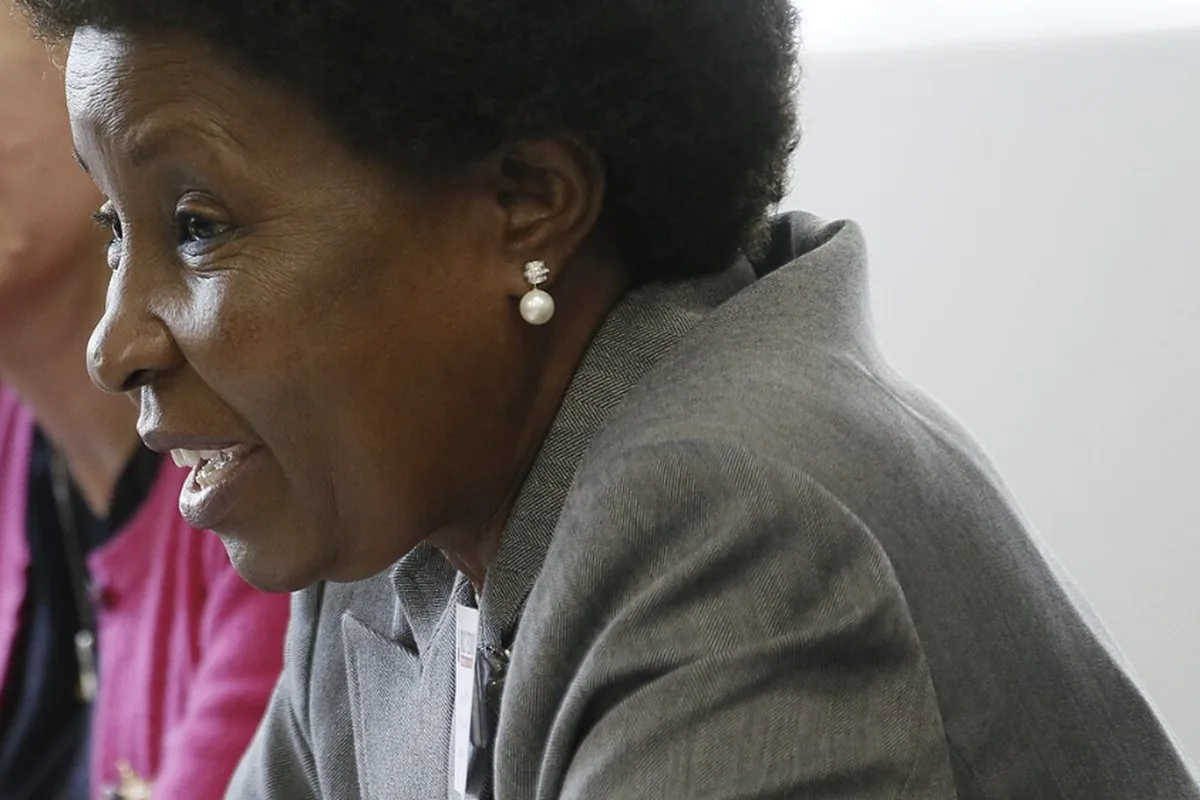
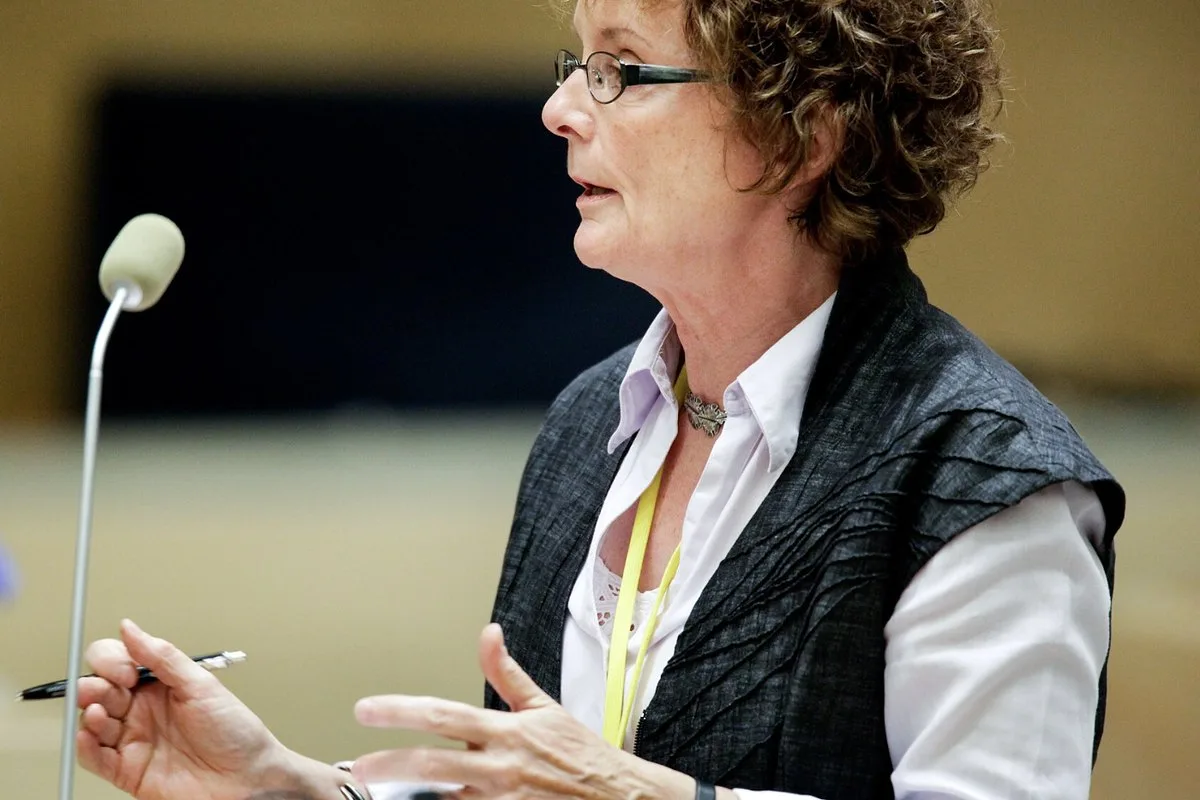






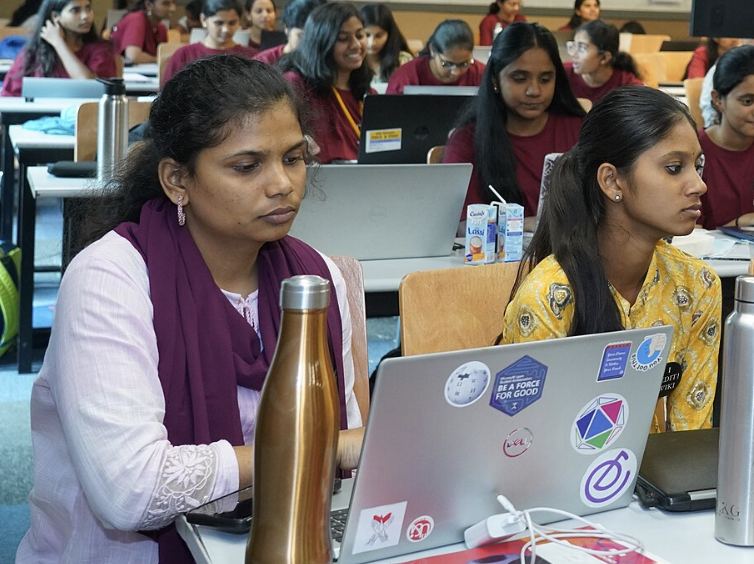
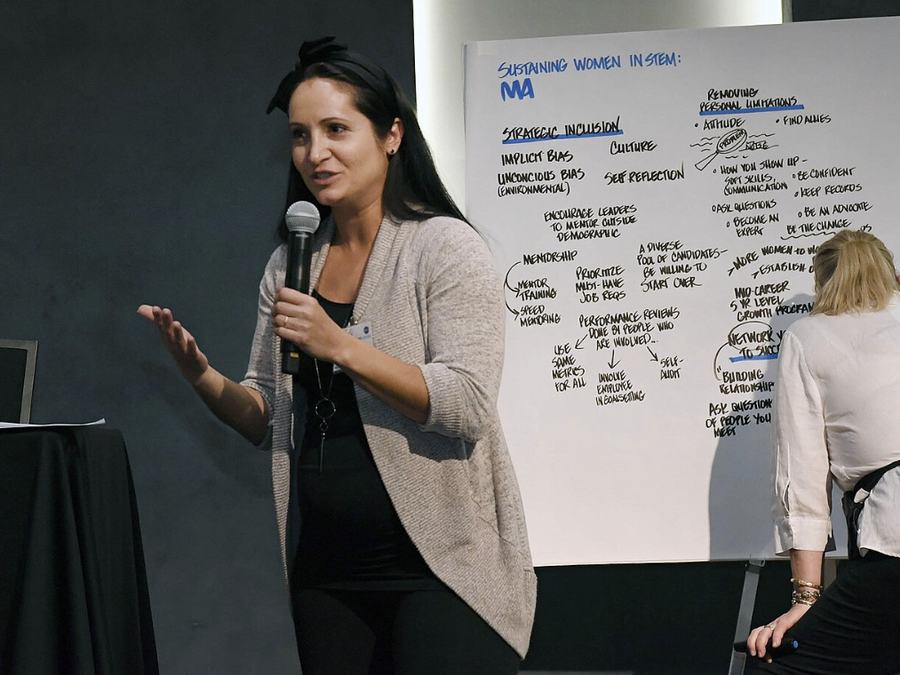







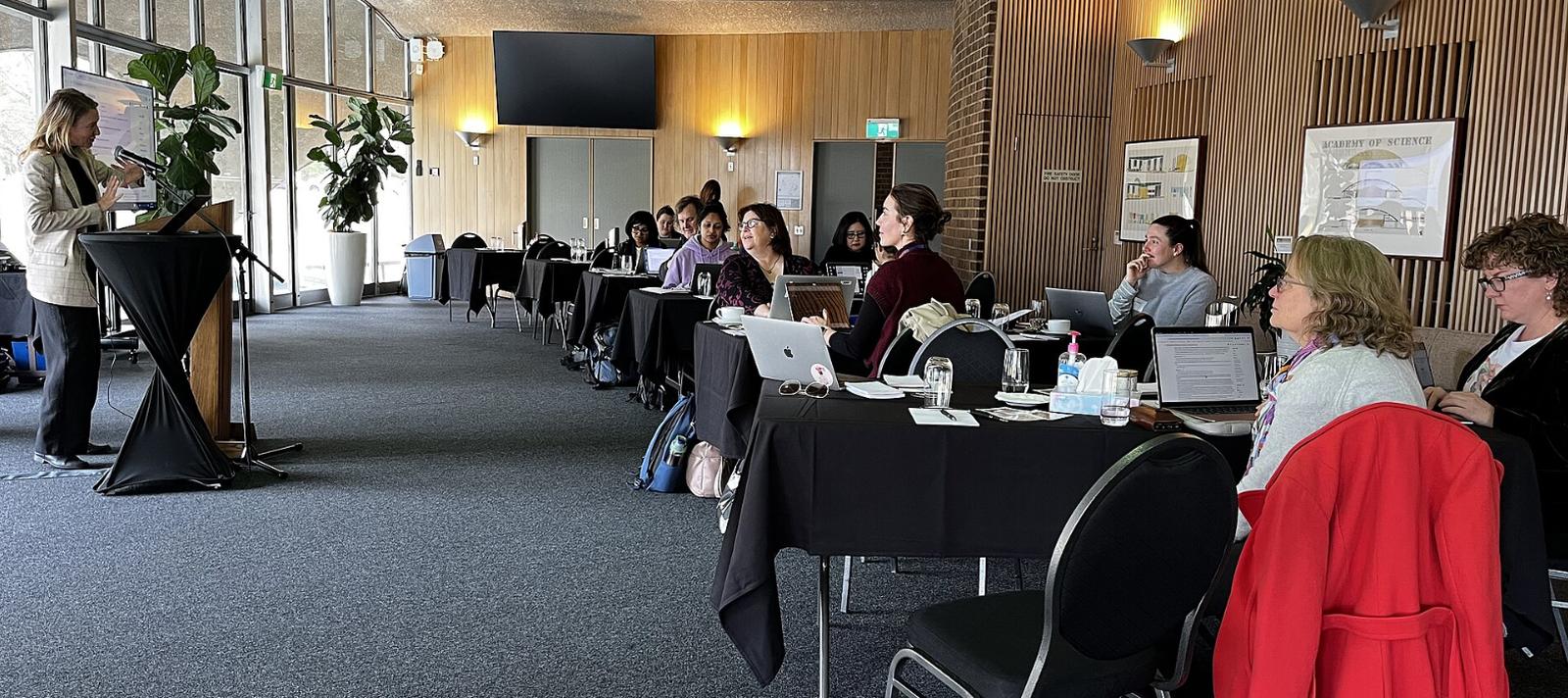
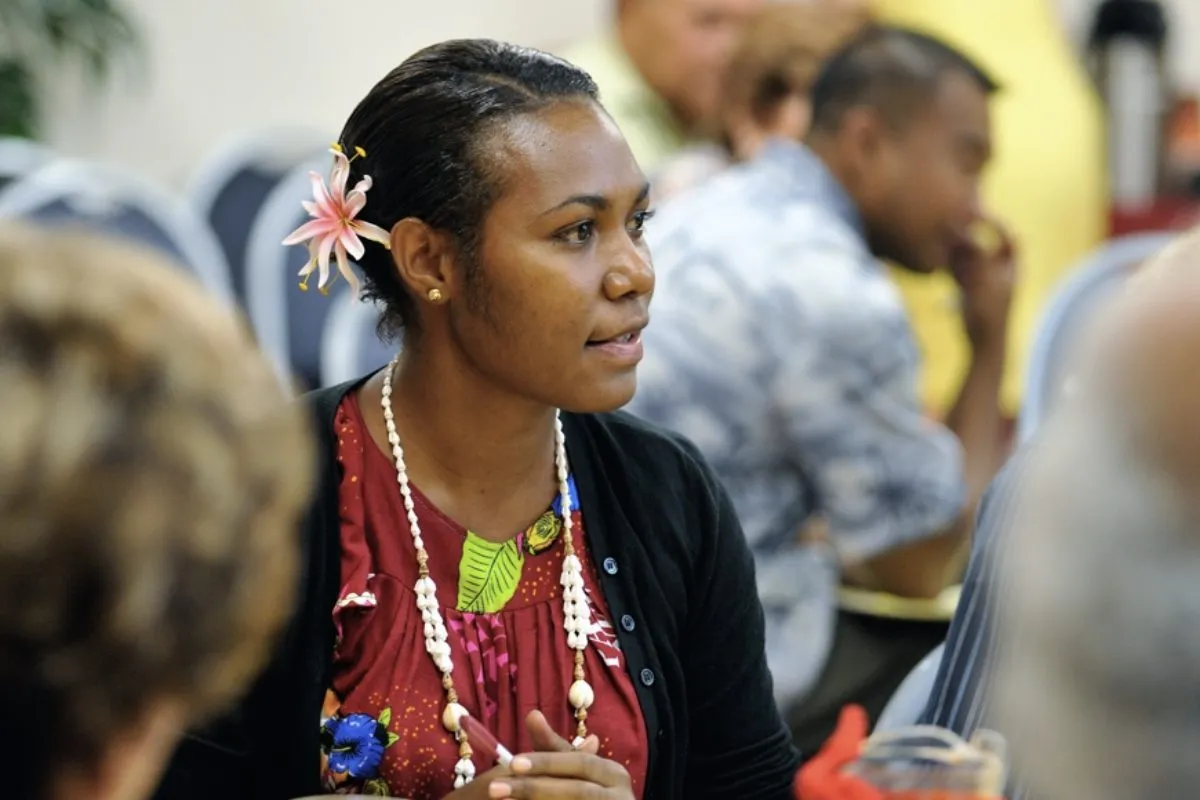
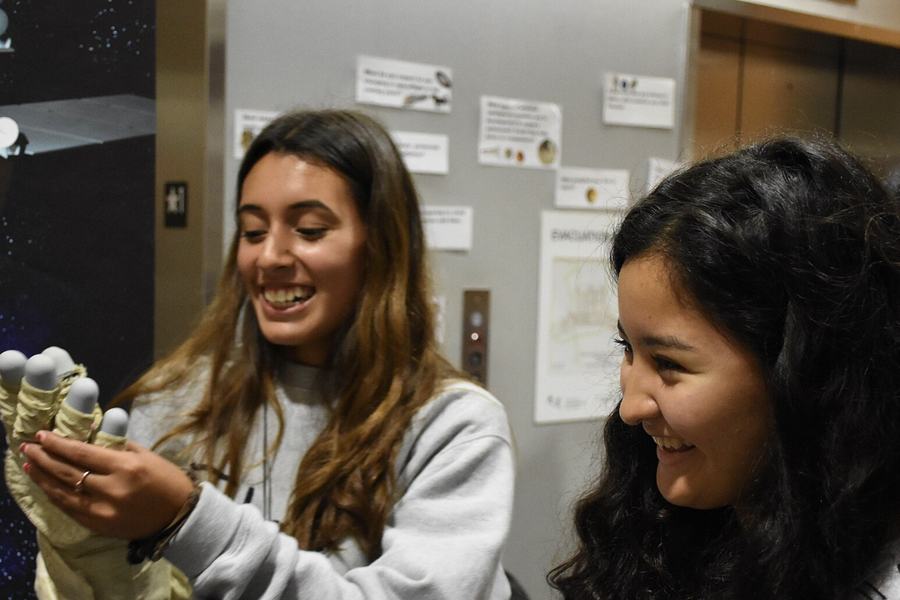
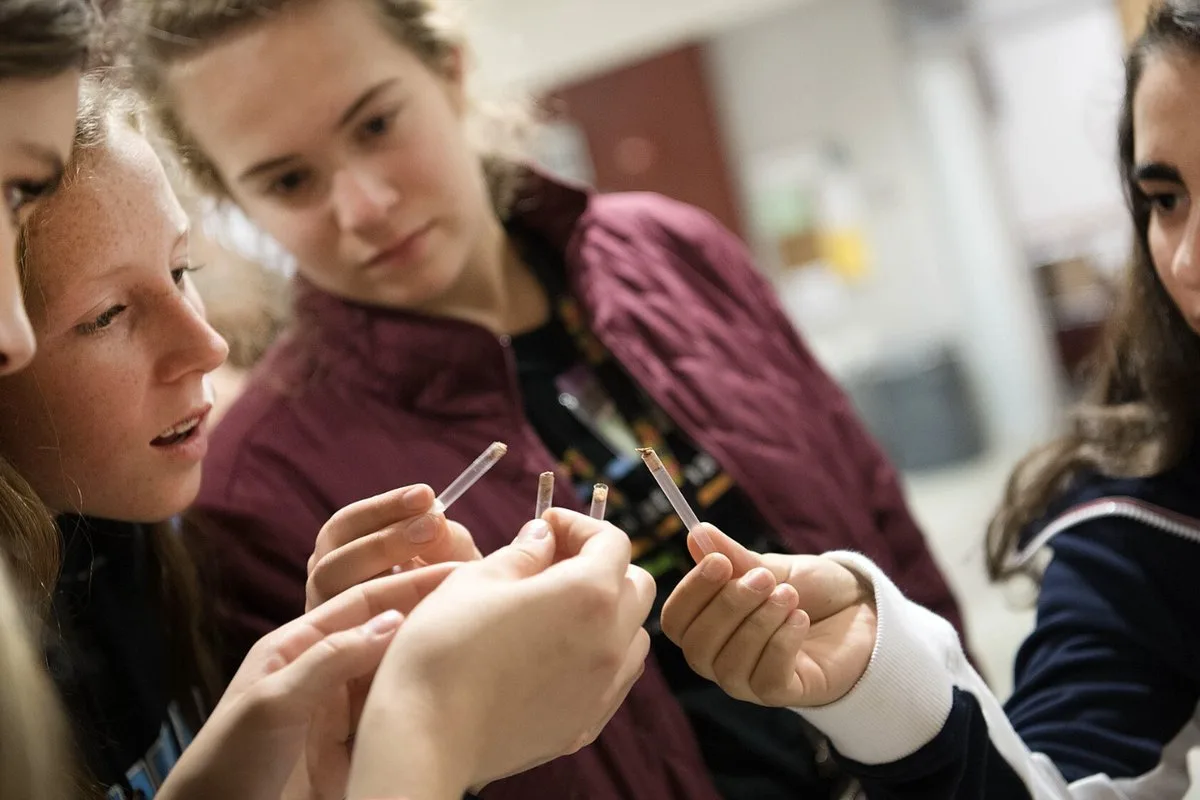

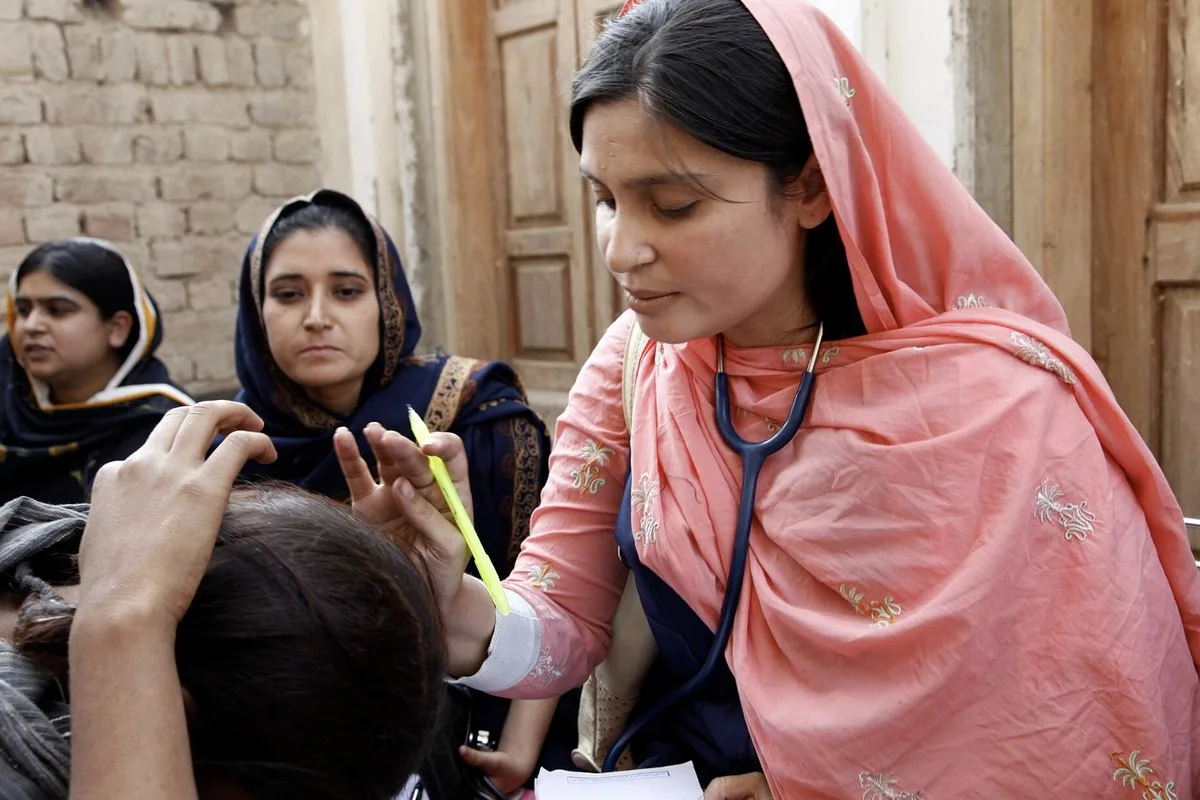
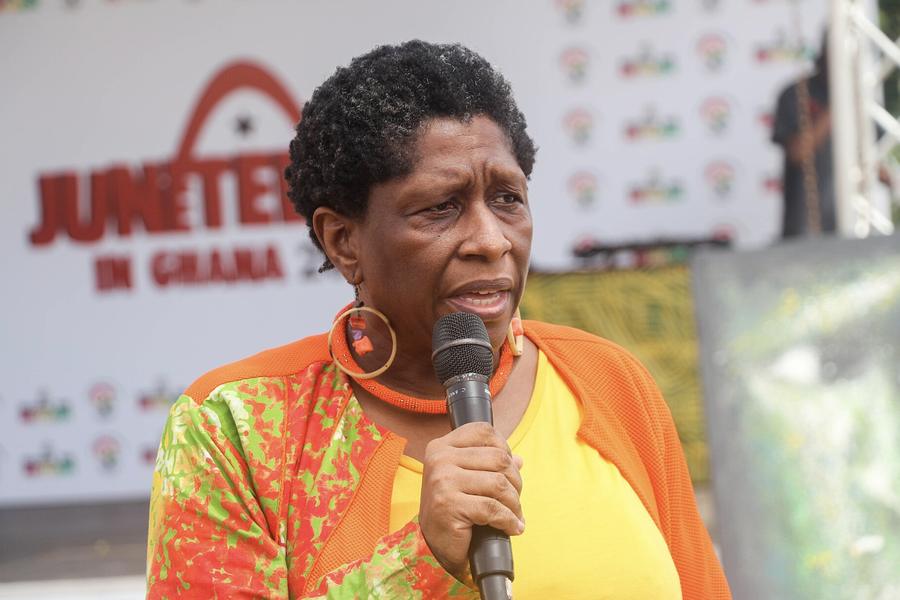
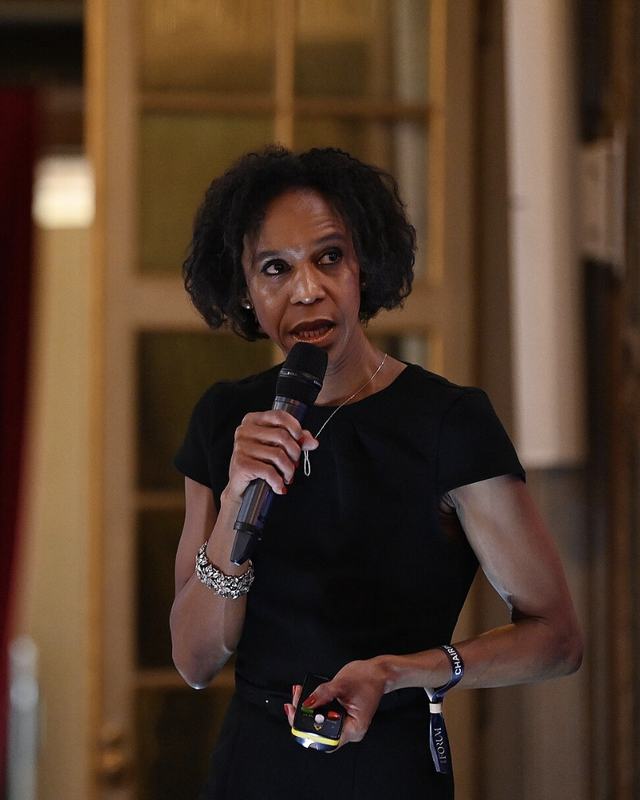
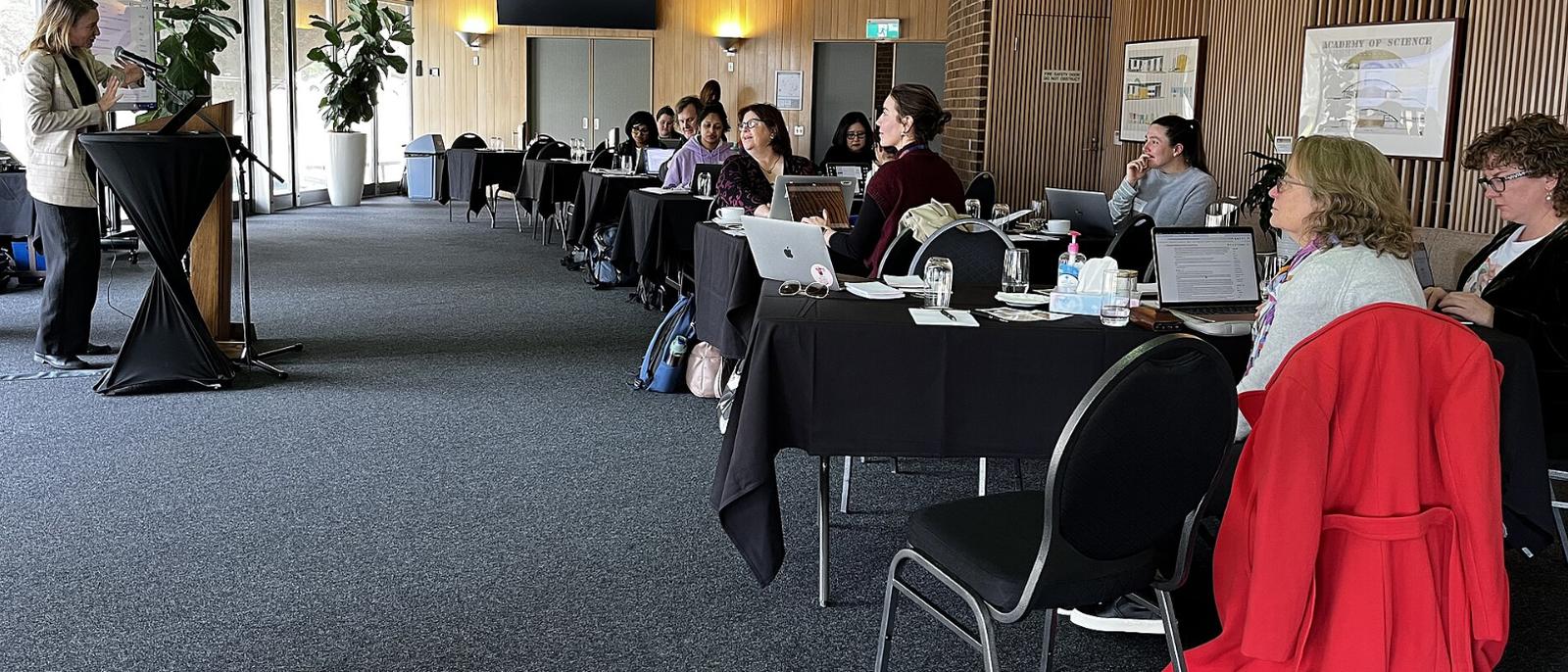
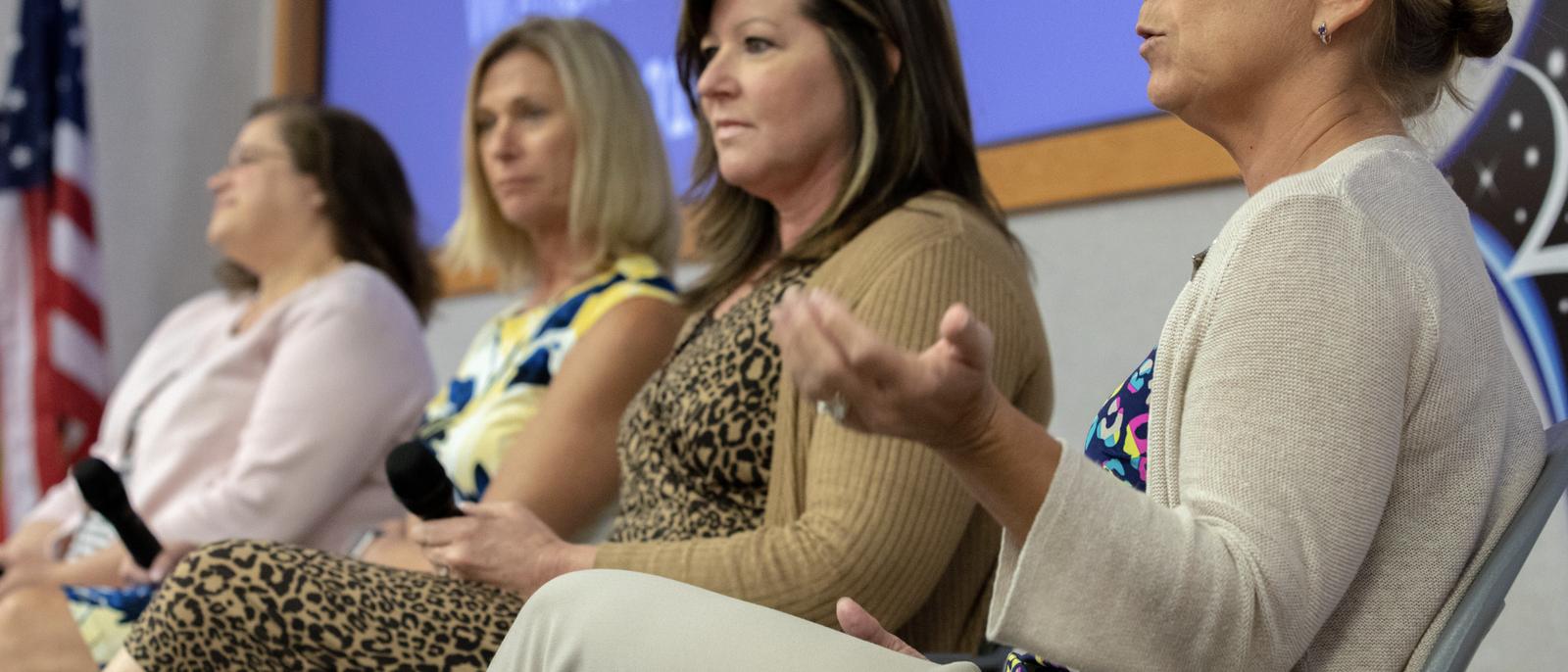
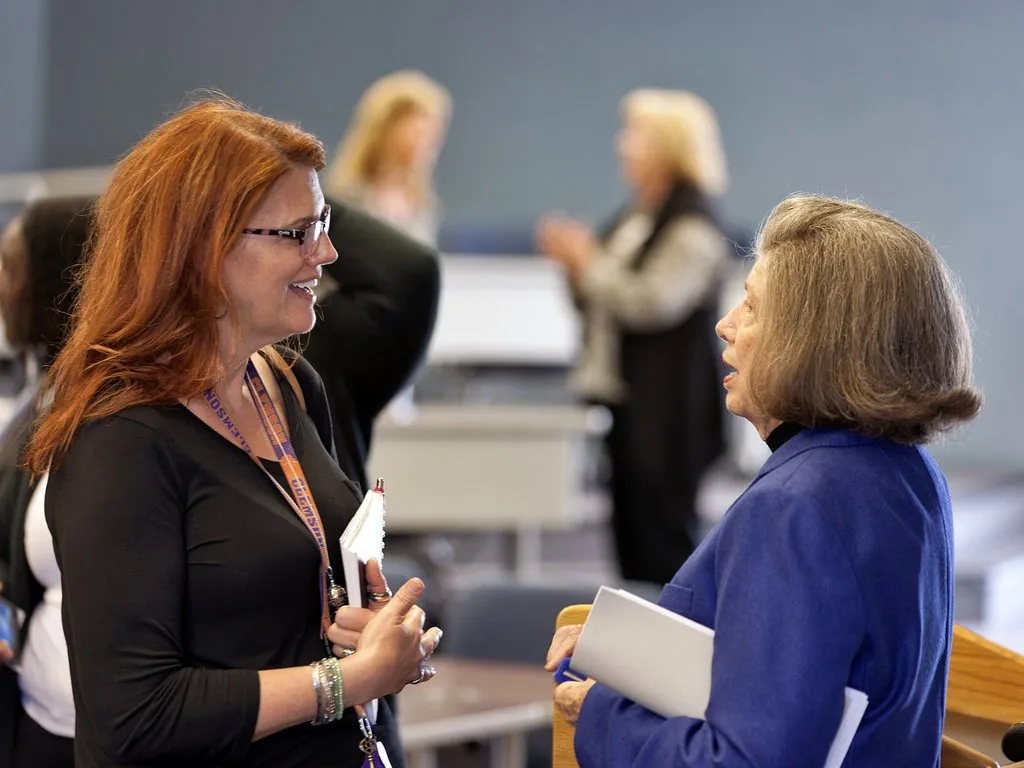







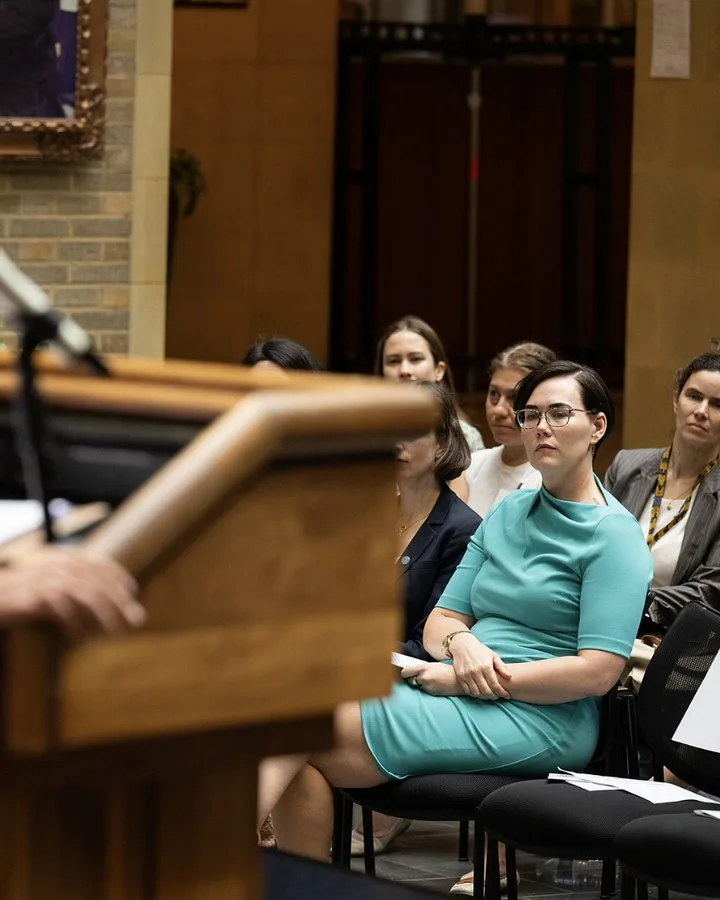





#WriteHerIn on social
Who Said That? clips go out on Instagram and TikTok. It helps most when people post their own write-ins. Here are four ways to join in from your account:
Your Name Three
Three women, what you borrowed from each. Tag them.
A write-in from your notes
A screenshot of a real bracket, with her consent.
A Who Said That? clip
Answer the question on camera: when did you last credit a woman?
The woman you credited
Send her the line. If she replies and is happy for you to share it, post that.